


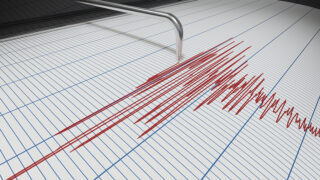
Portland City Council have unanimously passed a motion to reduce the Critical Energy Infrastructure (CEI) hub’s fuel storage capacity by 20% due to fears of ‘catastrophic spills and fires’ in the event of a major earthquake.
The CEI consists of 11 bulk fuel terminals that receive 90% of Oregon state’s liquid fuel supply, with many of the 400 active storage tanks being built before seismic design requirements were introduced in 1993. In total, the tanks have a capacity of 350 million gallons of fuels including gasoline, diesel and LNG, and renewable fuels such as biodiesel and ethanol.
The CEI sits on seismically unstable soil with a ‘high probability of liquefaction’ in the event of a large earthquake. Infrastructure breakdown could then lead to ‘catastrophic spills and fires’. To combat this, Portland City Council has now imposed a 20% reduction in fuel storage at the CEI, among other damage reduction measures such as prohibiting new terminals and limiting existing terminal expansion.
Councillor Elana Pirtle-Guiney comments: ‘Rarely do we get to take an action that will, years from now, have an impact that we can look out and predict. This sets us up for a long-term drawdown of fuel stored at what one emergency manager in our state called the worst possible place to store our city and our state’s liquid fuel.’
In its Ordinance report, Adopt the Critical Energy Infrastructure Hub Policy Project to support public health and natural hazards risk reduction (amend Code Titles 33 and 24), the Council states: ‘CEI Hub Policy Project Title 33 zoning code amendments continue to prohibit new bulk fuel terminals, and they further limit expansions of existing terminals. The amendments also create development standards that regulate new and replacement fuel storage tanks and related transloading facilities… All of the amendments are intended to support to human health and safety, environmental health and resilience, with minor impacts to economic prosperity and equity.’