
How a former NATO facility storing liquid bulk in the mountains has transformed into a modern, strategic storage terminal
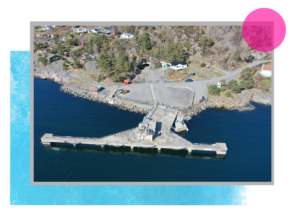
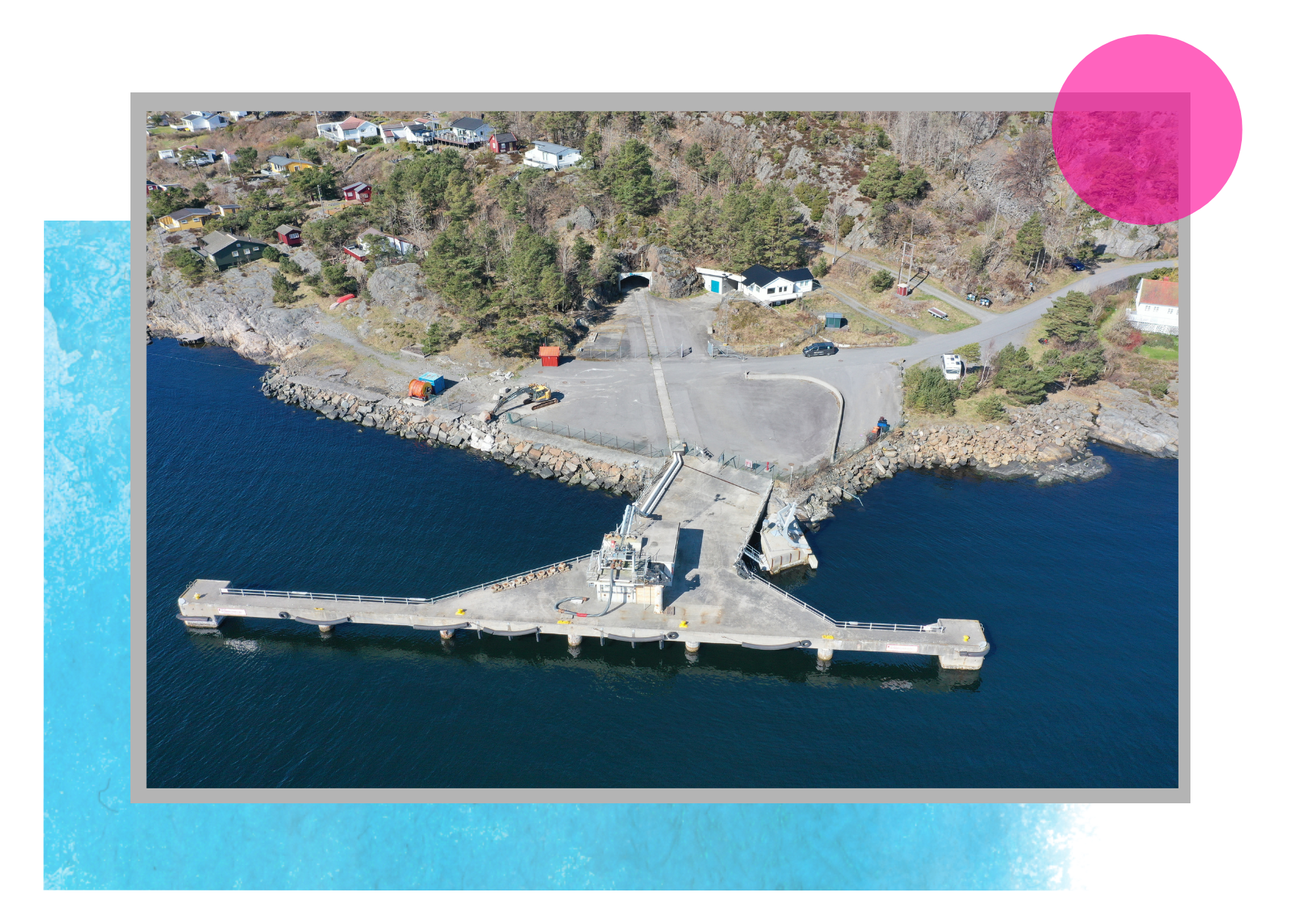
The Port of Arendal has a long maritime tradition as one of Norway’s key shipping cities. With easy access to the open sea, the port has deep quays, no height restrictions, and the equipment to handle everything from standard cargo to more complex offshore and project operations. In 2020, Port of Arendal took charge of the Sandvikodden tank facility – originally built during the Cold War and a former NATO facility – which is an exclusive ship-based terminal handling liquid bulk cargoes, like HVO (hydrogenated vegetable oil). This operational simplicity positions the terminal as an expert, not only in maritime logistics, but in preparation for Europe’s energy transition.
With six steel tanks mounted into the solid rock landscape, this is a particularly interesting bulk liquid storage terminal.
Unconventional Storage
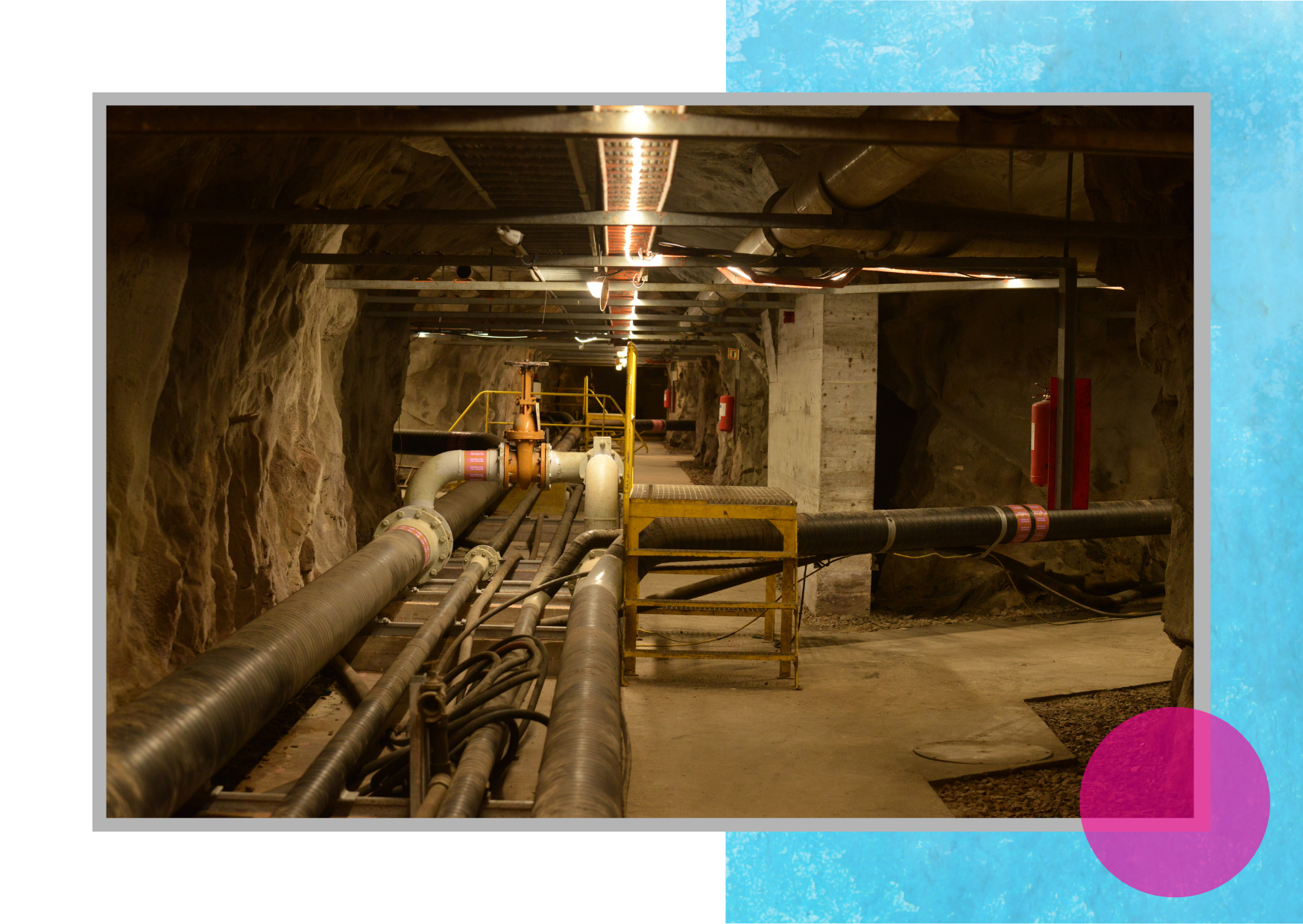
Moving away from traditional aboveground storage tanks, Sandvikodden uses the mountainside to create a secure, multi-layered containment system, with steel, concrete, and solid rock. This design brings significant safety, environmental and security benefits.
With multiple physical barriers surrounding the stored product, the risk of leaks, fires, or explosions is much lower. The underground location also protects the facility from external damage, unauthorised access or accidents.
The concrete support reduces stress on the steel tanks, lowering the risk of wear and extending their lifespan. This makes the system reliable over the long term with relatively low maintenance. Likewise, if anything were to go wrong, the concrete and rock act as additional containment layers, greatly reducing the chance of contamination to soil or groundwater.
Another key benefit is temperature stability. The surrounding rock naturally keeps temperatures steady throughout the year. This is especially useful for fuels like biodiesel or HVO, as it helps maintain product quality while reducing the need for energy-intensive heating or cooling.
Overall, military infrastructure places strong emphasis on safety and protection, features which remain highly valuable in today’s commercial operations. Following its transition to civilian use, these strengths have been preserved and further improved through upgrades to meet modern requirements.
Modernisation Strategy
The original infrastructure has been significantly modernised in recent years. The goal has been to improve safety, increase efficiency, and ensure reliable, future-ready operations – effectively transforming the site into a modern marine terminal. Key upgrades to the automation systems, pumping capacity and safety systems have included the installation of automated valve systems for more precise and efficient control of product flows; a new electric pump to improve loading and unloading efficiency; and a new control room at the quay for centralised monitoring and better oversight.
Converting a former military installation into a civilian, commercial terminal typically comes with a set of challenges. As a former NATO facility, Sandvikodden was originally developed to ensure a secure and reliable fuel supply in a strategic context. Because of this, the facility was built to a higher standard than most commercial installations from the same period.
However, military facilities are typically designed for specific purposes rather than efficient logistics, which can mean a lower focus on throughput and efficiency, with minimal automation. Port of Arendal had to introduce new procedures tailored to commercial operations, moving away from the terminal’s original military-focus. Improvements to the working environment were also made, including upgraded staff facilities, meeting rooms and welfare areas.
As a Cold War–era facility, parts of the infrastructure had naturally aged over time, and so a thorough inspection and refurbishment programme was carried out for all the tanks. This included recoating and replacements where necessary. These upgrades help the terminal improve safety, reduce operational risk and increase efficiency, all while complying with modern regulations and getting ready for future fuel adoptions.
Strategic Perspective Today
Although no longer used for military purposes, the NATO legacy still adds value by contributing to confidence in safety and containment, a perception of robust, high-spec infrastructure and continued relevance in energy supply chains, where reliability is essential. The Sandvikodden tank facility in Arendal stands out, not because of its size, but because of its specialisation, robustness, and clear operational focus.