DIGITALISING FRONTLINE OPERATIONS AT THE TERMINAL
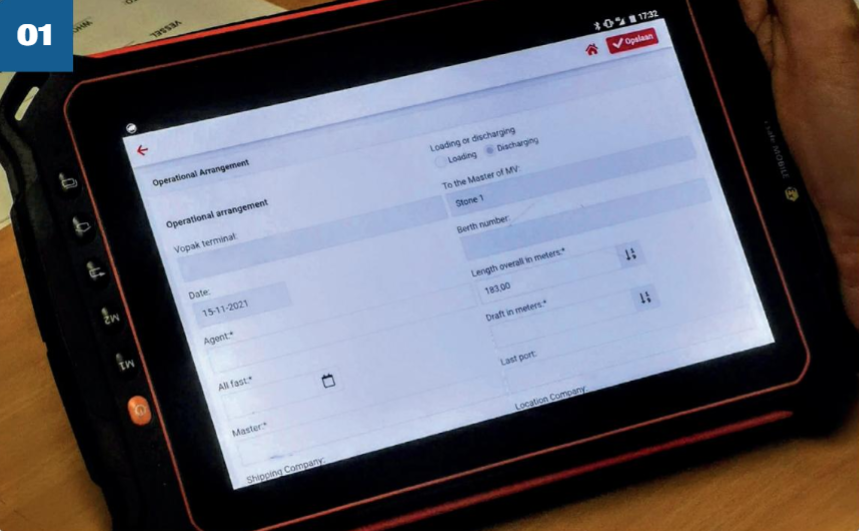
Stefana Sopco and Jelle Swanenberg from Smartflow look at how to create and implement standardised processes for field services It is important to identify the needs of terminals and end-users concerning efficiency, time, costs, operations growth. Terminals differ to such extent that global companies with an extensive terminal portfolio have more challenges in creating and implementing standardised processes that complicate the adoption of low- and no-code and traditional software systems. Each terminal might be at different stages of digitalisation. Their differences in history, maturity, culture, geography, team members, local autonomy, and local PNL will impact the global standardisation of processes. […]
MINIMISING THE LIGHTNING RISK ON TANKS
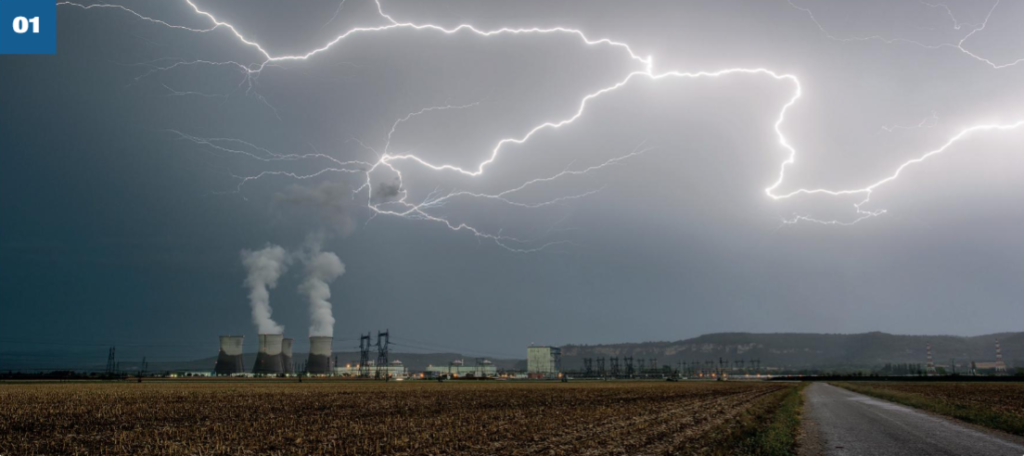
Learn how Météorage lightning detection network can help companies to better manage the risk of lightning on their sites As a dangerous natural phenomenon, thunderstorms are the 25th most common cause of death in the world. According to one large study1, 33% of all oil tank accidents are caused by lightning. Although they are therefore an obvious threat, reliable solutions to minimise the risk of thunderstorms exist for professionals, enabling them to secure their teams, facilities, and operations in a timely and safe manner. Some storage operators in Europe have already equipped themselves with such solutions. Météorage helps companies to […]
A LYNX-EYED SUPPLY CHAIN VIEW
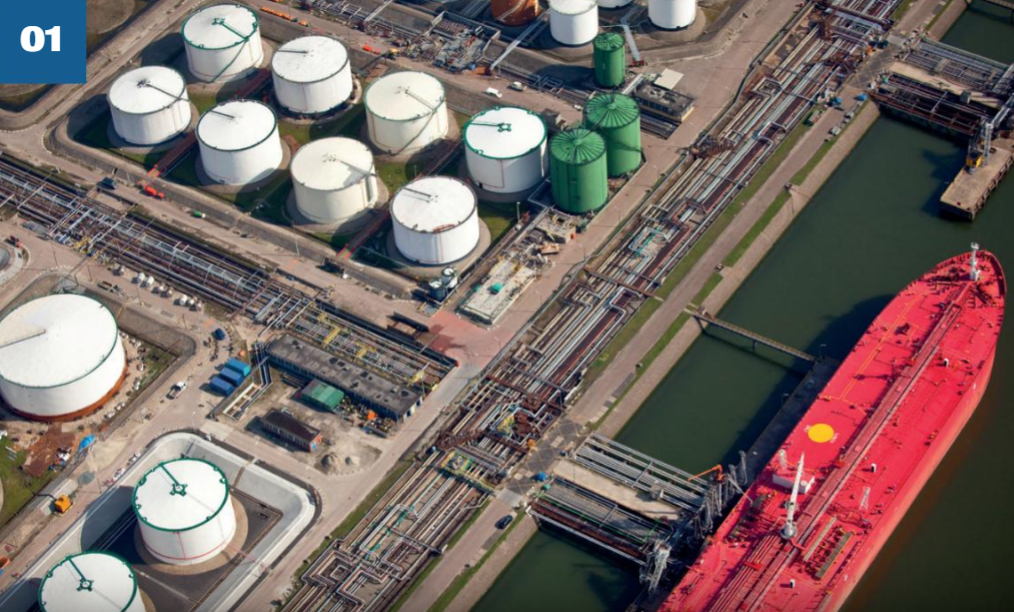
Dearman Systems’ LYNX platform coordinates and manages the entire supply chain Dearman Systems has been providing innovative software solutions to the refined petroleum industry for over three decades. The company’s solutions are primarily used in the storage and transportation segments of this industry. Dearman System’s Terminal Automation System (TAS.net) is used on over 200 storage terminals worldwide. It combines the Internet of Things (IoT) with process control capabilities to automate operations and reduce manual processes to ultimately bring cost savings and operational efficiencies to its users. Dearman’s TAS is able to push and pull data at a given site across […]
IIOT: MAKING SENSE OF EVERYTHING
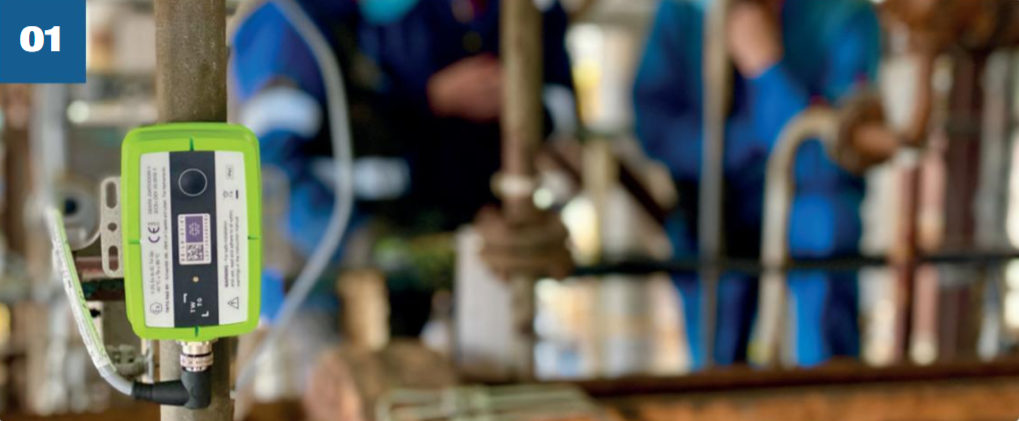
TWTG looks at the benefits of vibration measuring solutions based on the Industrial Internet of Things (IIoT) In 2021, the introduction of TWTG’s Vibration Sensor was warmly welcomed by the market. This year, TWTG will launch the Vibration Sensor Application onto their IIoT platform, SolidRed, and in doing so, unleash the potential far beyond the sensors’ base functionality. This is just the latest addition to the LoRaWAN-based solution that has forced a steady disruption in methods of monitoring oil and gas industry assets. FINGERS CROSSED Go back half a century, and maintenance of rotating equipment was undoubtedly an imprecise science. […]
MOBILE EMISSIONS AND VAPOUR CONTROL FOR A SUSTAINABLE FUTURE
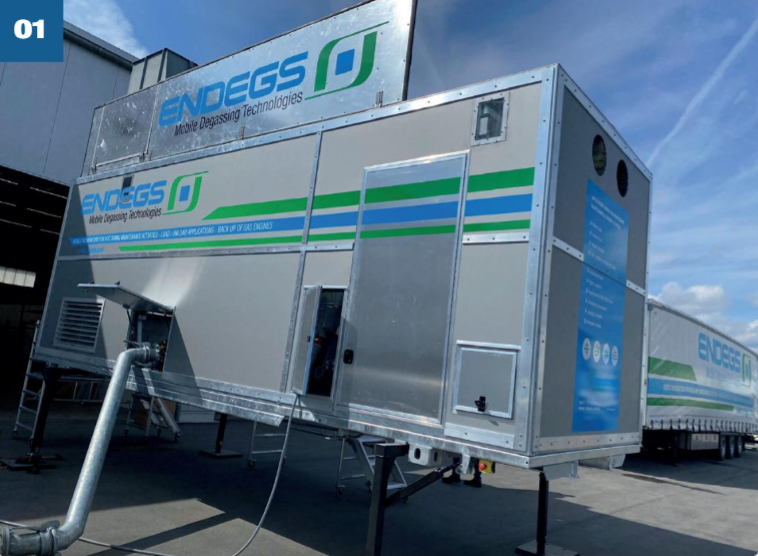
David Wendel from Endegs Group explains how mobile emissions treatment can contribute to environmental protection as climate change progresses, improving air quality is becoming an increasing priority. Air pollutant emissions from a wide variety of sources affect air quality, can form acids in the environment or drive the excessive accumulation of nutrients (eutrophication) in ecosystems. Human health can also be adversely affected¹. These emissions are caused by transportation, power generation, industrial processes, agriculture, and many other activities. But by 2050, Europe is to become climate-neutral – no more greenhouse gases (GHG) are to be released into the atmosphere that are […]
THE RIGHT LEVEL MEASUREMENT FOR LIQUEFIED GAS
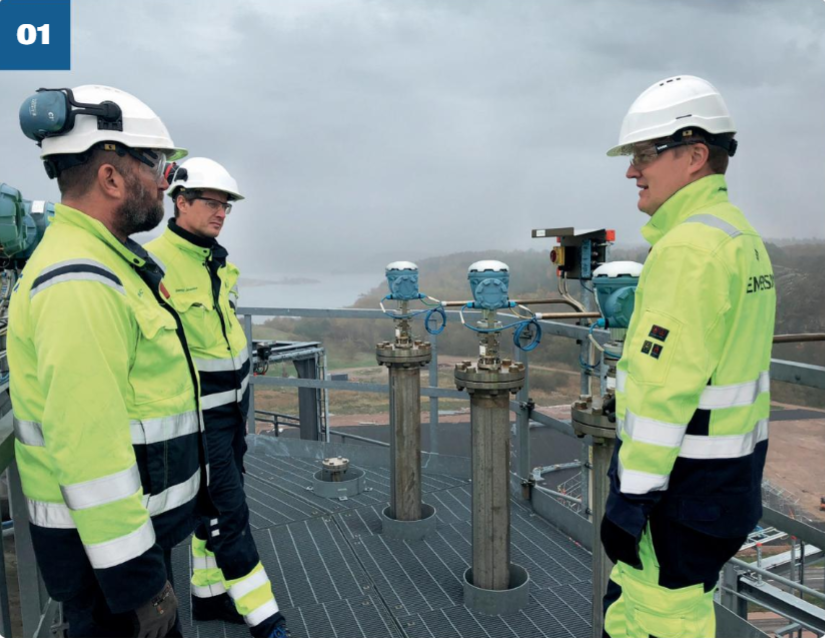
Emerson’s Johan Sandberg explains how radar gauges support inventory management and overfill prevention in LNG and LPG tank storage applications Level measurement technology is a key component of tank gauging systems for vessels containing liquefied natural gas (LNG), liquefied petroleum gas (LPG), or other liquefied gases. Reliable liquid level measurements inside complex full containment tanks are vital for inventory management and custody transfer purposes, and to prevent overfills. In liquefied gas applications, level measurement has often been performed with servo technology. A small displacer suspended by a thin wire is connected to a servo gauge on top of the tank. […]
DIGITALLY TRANSFORMING VOPAK

Vopak leverages Oracle ERP cloud to optimise operations, increase agility and improve services after consulting Cognizant engineers Vopak is a leading independent tank storage company with 400 years of experience in storage and transshipment. With a network of 66 terminals in 23 countries, Vopak provides clients with safe facilities to store and handle bulk liquid products and gases that are vital to daily life, from chemicals and gases to biofuels and vegoils. MODERNISATION ON THE AGENDA Seeking an enhanced competitive position and improved service delivery, Vopak’s executive board made digital transformation a priority. Standardising and centralising key back-office functions, the […]
THE DIGITAL TRANSFORMATION OF VOPAK
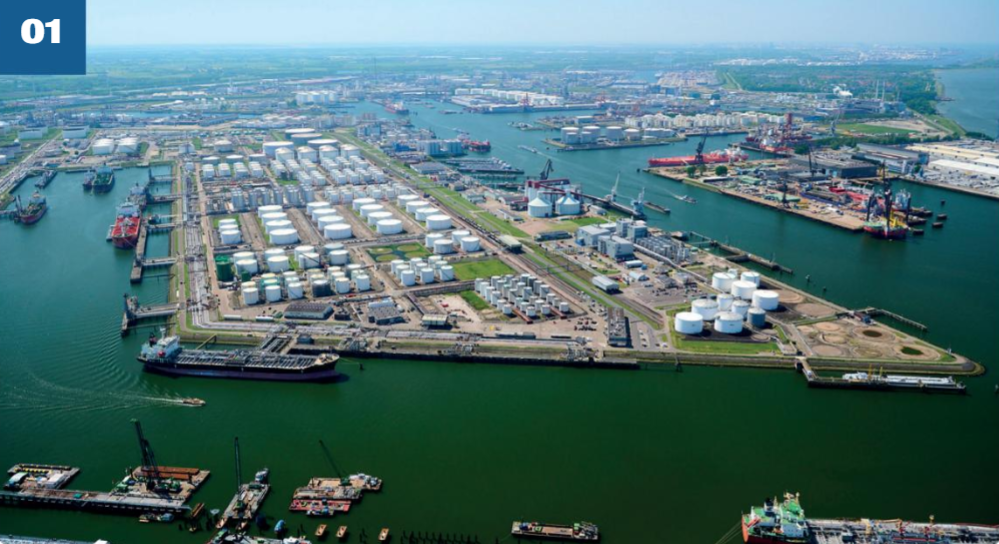
Leo Brand, CIO of Vopak, discusses how the company’s digital transformation has made it safer and more efficient, and shifted the focus from cost to value A successful digital transformation requires the repositioning of IT in the organisation; IT must evolve from a cost centre into an integral part of the value chain. Many asset-heavy companies transform into technology companies, where data drives customer experience and allows the creation of new business models. As a result, many formerly outsourced or bought-in IT functions and solutions are brought in-house. Vopak is a 406-year-old Dutch company which has grown into the leading […]
SCANNING AS MUCH OF THE TANK BOTTOM AS POSSIBLE
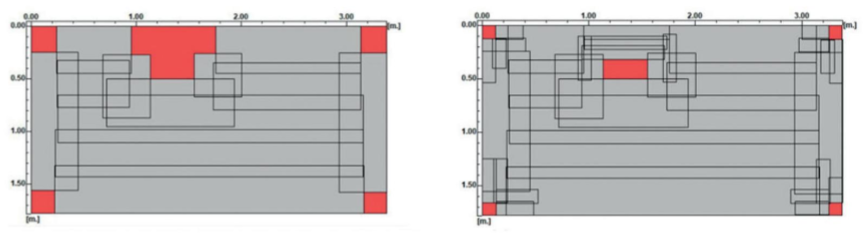
Richard Foeke, Rosen Group, discusses how to manage uninspected areas aboveground storage tanks are important assets for terminal owners and operators. Keeping them in service as long as possible and minimising out-of-service time are crucial aspects for safe and efficient operation. Inspection and maintenance play an important role in guaranteeing that the tank is in good condition and set up for operation until the next scheduled turnaround. To make the most reliable statement about the condition of a certain tank component, e.g. the tank bottom, it is important to cover as much of this large area as possible. This means […]
RE-GEN ROBOTICS DRIVES SAFETY AND SERVICE IN TANK CLEANING
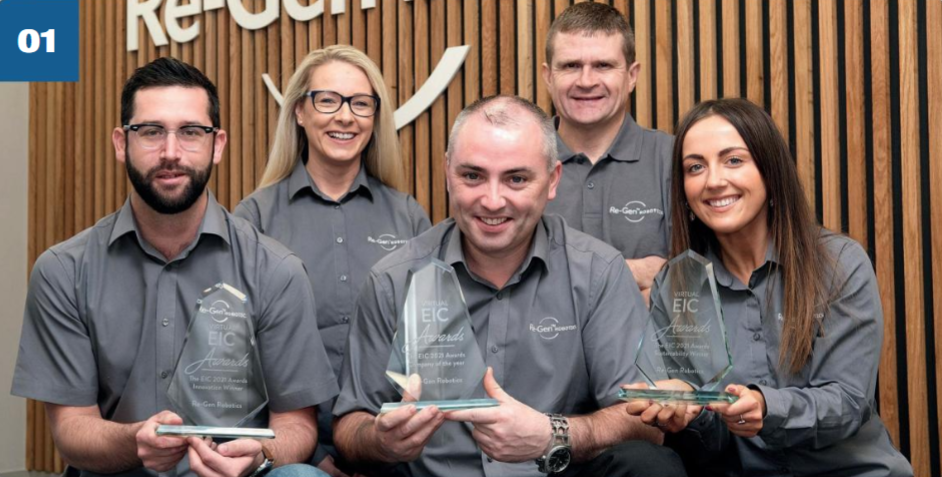
The market is waking up to the capabilities of Re-Gen’s technology, says managing director Fintan Duffy A trusted innovator and leader in tank cleaning solutions, Re-Gen Robotics continues to deliver a safer, smarter, faster, more economical way to clean tanks, all whilst providing peace of mind to our customers. Our unparalleled technology and service is being used as a benchmark by competitors but by adding an additional layer of safety to oil terminals and eliminating the risk of injury or death to employees in the surrounding area, we’re now light years ahead of what any other tank cleaning company can […]
CHEAPER, FASTER AND MORE FLEXIBLE
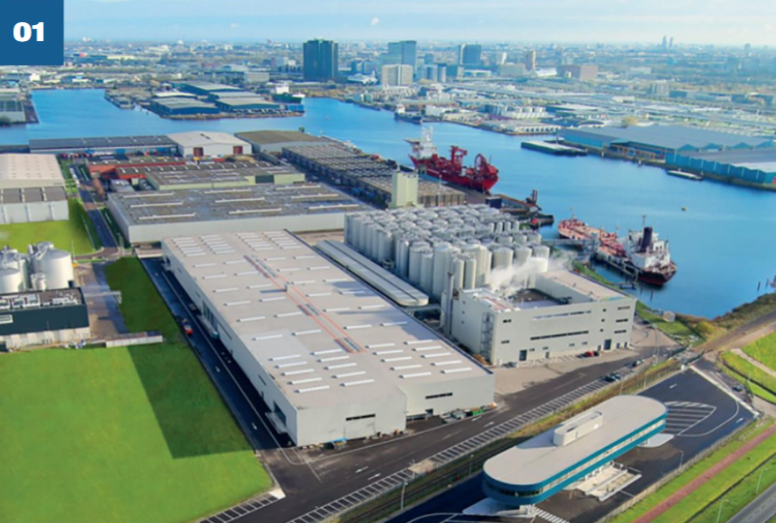
Nico van der Veen, terminal manager at Argent Energy’s terminal in Amsterdam, the Netherlands, tells Tank Storage Magazine how Terra Inspectioneering’s drones have improved Argent’s tank inspections My previous job was working in the sewerage industry, and I don’t like people working in confined spaces, such as in tanks, which is potentially dangerous and sometimes unnecessary. It has become my personal quest – if it’s not necessary to put people in tanks in confined spaces, then they shouldn’t be in confined spaces. That’s where my interest in drones comes in. Together with my colleagues from maintenance we set up the […]
THE INFLUENCE OF HOT STORAGE TANK BASE INSULATION SYSTEMS ON ENERGY AND COST SAVINGS
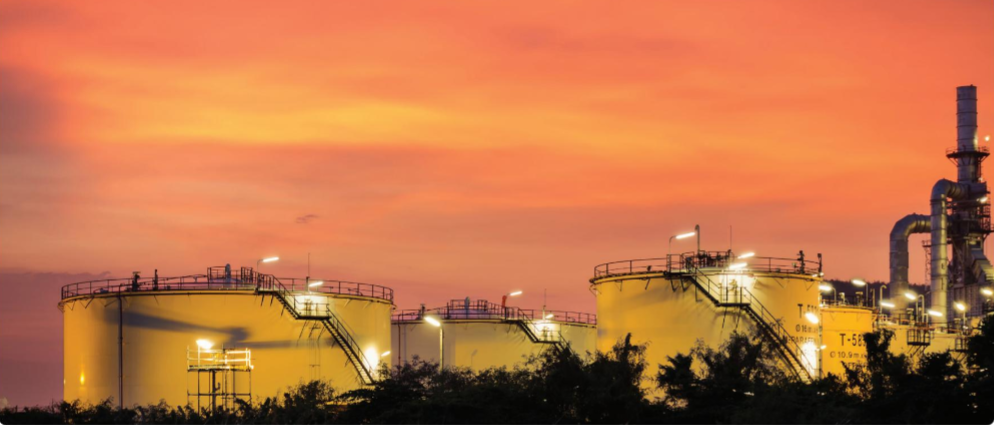
Storage tanks are used to hold a variety of organic liquids or gases including raw materials, intermediates, final products or usable byproducts. Tanks can vary in design and equipment, and the type of construction depends on the storage temperature and properties of the products being stored. A detailed assessment is necessary to ensure that all aspects are taken into consideration, so products can be stored and handled in the safest and most-efficient manner. The growing worldwide demand for chemical products and proper storage and handling makes energy efficiency of storage tanks a key requirement. Each year, large amounts of energy […]
MAINTAINING ASSET INTEGRITY IN CONTINUOUS PERMAFROST REGIONS 8

A warming environment is a threat to infrastructure built on permafrost. Darren Hughes from Concrete Canvas explains how Concrete on a Roll could help When considering land area, around a quarter of the northern hemisphere has continuous permafrost, that is 23 million km2 where the ground is frozen all year round. This phenomenon is widespread in the Arctic regions of Siberia, Canada, Greenland and Alaska, and even on the floor of the Arctic Ocean as undersea permafrost. The definition of permafrost can be quite complex, but a simple way to think of it is as a layer of soil, rocks […]
SUSTAINABILITY: POSITIONING TO DO WELL BY DOING GOOD
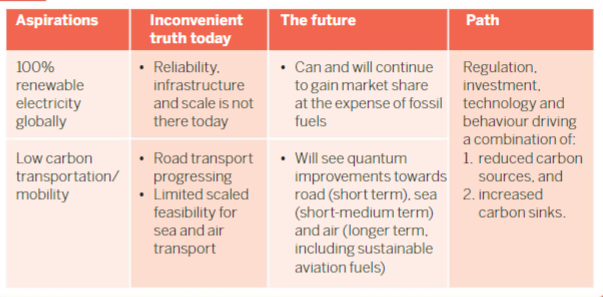
Gary Kalmin from HG Storage International looks at the challenges shaping the tank storage industry Global awareness of sustainability needs and initiatives is rightfully increasing at a rapid pace. Those of us in the energy sector are facing evolving challenges and opportunities which are reshaping the future of our industry. Real change and progress is happening very much at the micro level within specific companies, partnerships and individuals challenging the status quo. There are also clear macro themes and patterns driving innovation, creativity and advancements including regulation, incentives, disincentives, carbon markets, technology and investment. WHAT IS SUSTAINABILITY? Sustainability (as defined […]
ENERGY TRANSITION READY
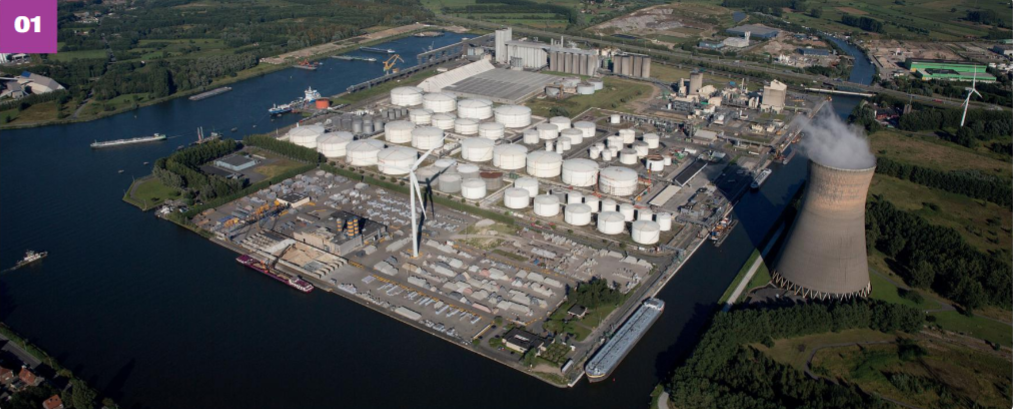
North Sea Port is supporting the sustainability efforts of its customers and aims to be Western Europe’s largest hydrogen hub North Sea Port is the Dutch-Belgian cross-border port, stretching 60 km from Vlissingen and Terneuzen in the Netherlands, to Ghent in Belgium. The port, Europe’s number 3 in added value and number 6 in goods traffic in the Hamburg-Le Havre range, is a well-established player on the European port scene. The port’s direct access to the North Sea, multimodal connections to the European hinterland, 750 ha of space available for development, and lack of congestion on both water and land […]
STORAG ETZEL ON STANDBY AS UKRAINIAN CRISIS EVOLVES

The leading and only independent cavern operator in northwest Europe, Storag Etzel, explains why caverns have such an important role to play in times of crisis Storag Etzel, one of Europe’s largest crude oil storage companies, is preparing to release strategic oil reserves for the first time in 15 years. The cavern storage operator, centrally located in north Germany’s energy hub, is currently storing 11 million m3 of crude oil in 24 caverns and its capacity is regularly used for long term stockpiling. ‘We are in standby mode, and every day are awaiting instructions to release stockpiles to help balance […]
GOING THE WAY THE WINDS BLOW

Peter Vucins from energy transition-focussed storage company GES tells Tank Storage Magazine about setting up the new company The energy transition is a hot topic throughout industries dealing with traditional petroleum products. With an impending switch from oil, how will companies survive? One new company, Global Energy Storage (GES), has been set up specifically to handle products for the energy transition. GES was set up by CEO Peter Vucins and executive chairman Eric Arnold, with US$250 million (€205 million) in backing from private equity company and energy transition specialist Bluewater. ‘When we started GES we started with a strategy for […]
THE EUROPEAN TANK STORAGE SECTOR IN AN EVOLVING ENERGY LANDSCAPE
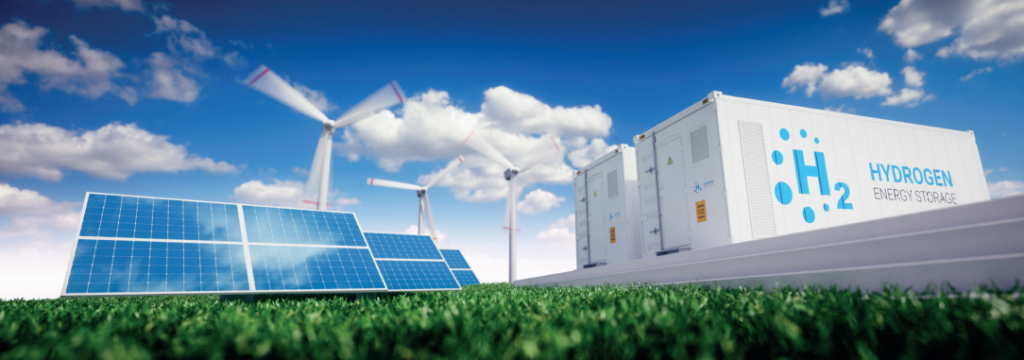
Lucia van Geuns and Irina Patrahau from The Hague Centre for Strategic Studies (HCSS) discuss uncertainty and the need for collaboration the global energy transition will undoubtedly bring challenges for states and companies alike, changing the global power balance and the architecture of economies. The tank storage sector can be part of the solution to these challenges. While the products in storage will change, storage can continue functioning as an essential component of the new energy system. Storing and handling e-fuels, ammonia, liquid organic hydrogen carriers (LOHC), flow batteries, or synthetic aviation fuels are some of the emerging roles of […]
THE EVOLVING IMPACTS OF RUSSIA’S INVASION OF UKRAINE ON OIL FLOWS

Homayoun Falakshahi, Jane Xie and Matt Smith at Kpler try to make sense of the effects on the oil markets of Russia’s ongoing war on Ukraine Russia’s invasion of Ukraine has shocked the global oil market. After catapulting higher from pre-invasion prices of less than US$100/bbl to as high as US$139/bbl, international Brent crude prices continue to remain elevated. Availability of oil to refiners, particularly those in Europe, has been curtailed. This is, however, not because of any formal sanctions on Russian energy exports, which so far only the US and the UK have subscribed to. This is mainly due […]
OUT OF OILTANKING, ADVARIO IS BORN
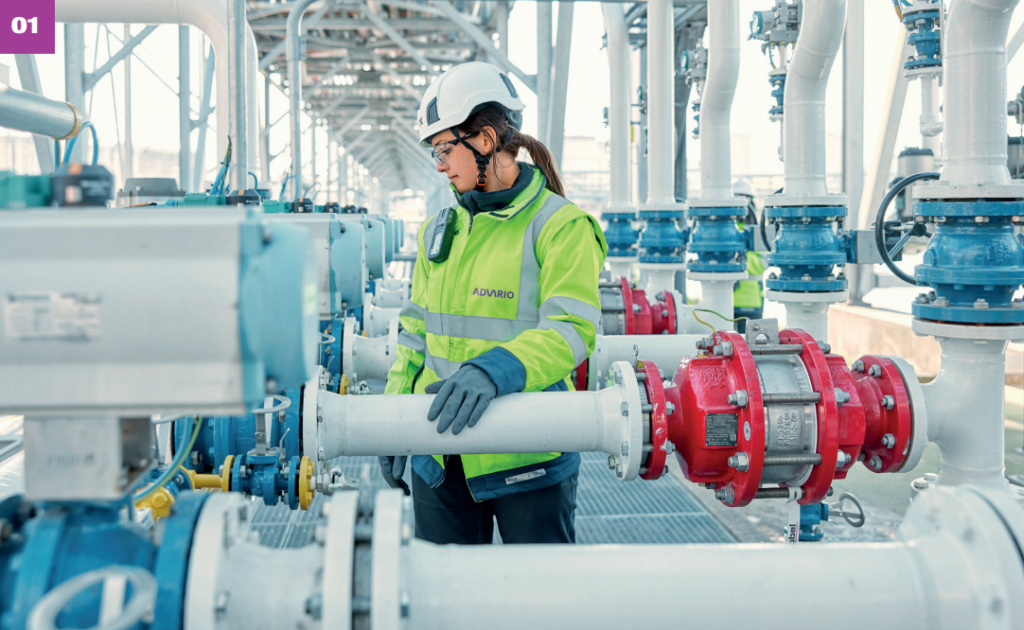
Tank Storage Magazine’s publisher Margaret Dunn speaks exclusively to Advario’s CEO Bas Verkooijen and chief growth officer Douglas van der Wiel about the new company’s name, its sustainability goals and what comes next On 5 May 2022, Oiltanking launched its highly anticipated new company, Advario. Advario will concentrate on growth in chemicals, gases and new energies and puts sustainability and environmental, social and corporate governance (ESG) at the heart of everything it does. ‘We will be taking a focussed and adaptive approach to find solutions to further enable the energy transition, working closely with our partners’ explains CEO Bas Verkooijen. […]
FROM ROADS TO RENEWABLES
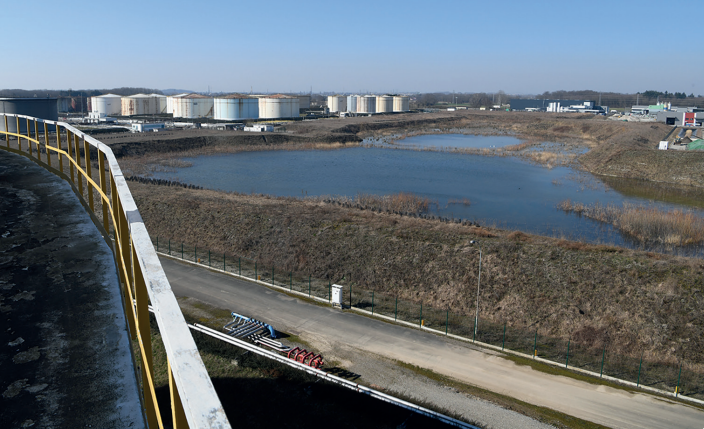
Gérard Lafite from Rubis Terminal Infra tells Tank Storage Magazine about the two terminals the company has had shortlisted for the Global Tank Storage Awards Having an entry shortlisted for the Global Tank Storage Awards is always something to be celebrated, but one company, Rubis Terminal Infra, has not one, but two terminals shortlisted in the 2022 awards. Wagram Terminal near Strasbourg in France has been shortlisted in the Terminal of the Future category, awarded to a terminal which is demonstrating its dedication to preparing for the energy transition and focussing on sustainability. Rubis Terminal Rotterdam in the Netherlands, meanwhile, […]
A GREEN FRONTRUNNER

Vesta Terminals Flushing, shortlisted for a Global Tank Storage Award, has many initiatives focussed on a renewable future, says Daan Schutte The Global Tank Storage Award for the Terminal of the Future, voted for by representatives from the industry, will be presented to the terminal deemed most dedicated to preparing for the energy transition. One of the shortlisted entries is the 388,553 m3 Vesta Terminal Flushing in Vlissingen in the Netherlands. Its 27 tanks, varying in size from 500-32,500 m3, store middle distillates, fatty acid methyl esters (FAME), biodiesel, base oils and speciality products, and its position at the mouth […]
Paint four tanks for the cost of one
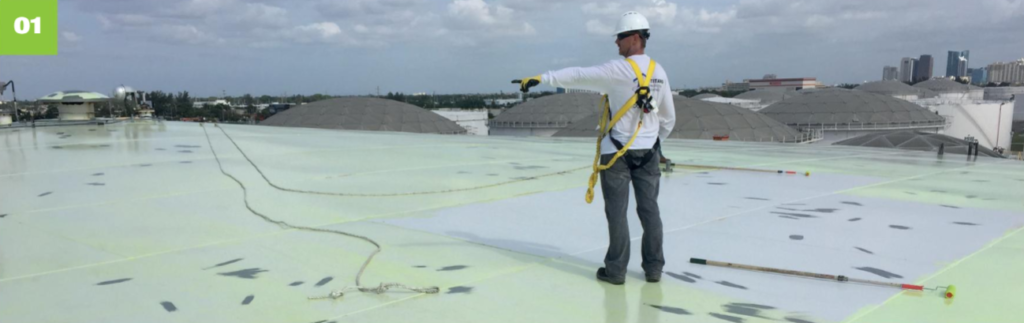
Carboline’s Dwayne Lum tells the story of the development of modern tank overcoat systems It seems to be a universal law of nature; maintenance painting budgets are the first cut when profits fall and the last reinstated when profits rise. Operators and supporting coating manufacturers, contractors, and other service providers continually face the challenge of protecting assets as economically as possible. This is especially true for the large and often very visible above-ground storage tanks. The most promising coating technology for cost-effective, environmentally friendly maintenance tank overcoating systems is not new. Nor was it developed for storage tank painting. Low […]
Critical inspections during construction
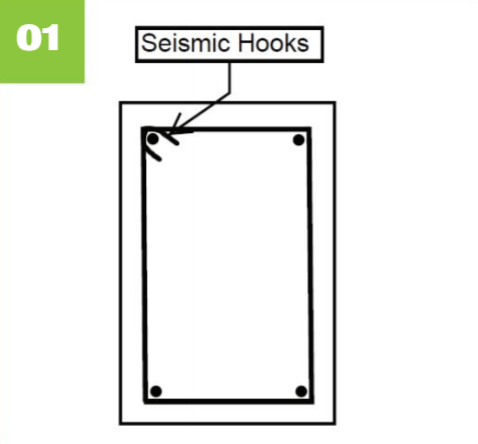
Dr Emerson John explains the value of inspection and test plans (ITP) to the successful completion of a storage tank construction project Inspection and test plans (ITP) are used during storage tank erection projects to ensure all construction activities are executed, tested, inspected, and accepted. However, because of the nature of a tank project every task under an activity does not represent a line item on the ITP. Tasks are often grouped. Examples of grouped tasks are soil compaction, foundation construction, and the erection of roof structure. Examples of work to be executed under the grouped heading ‘foundation construction’ are […]
The importance of coating maintenance for floating roofs
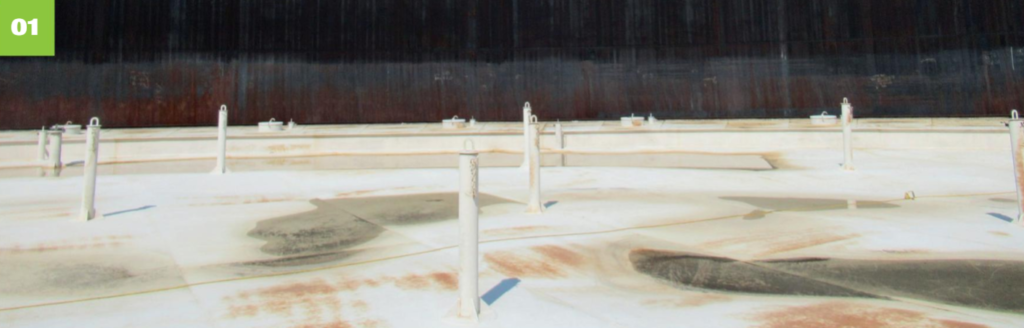
Anton Martinez and Adam Beers from KTA-Tator cover corrosion and remedies Popularised in the 1950s, floating roof tanks have become increasingly prevalent over the years. These tanks play an important role in the liquid storage industry, most notably oil storage. At refineries, millions of barrels of oil products are stored in tanks that use a floating roof. These tanks are defined by the roof that floats on the liquid and is sealed around the edge. An internal floating roof tank has both a floating roof and a fixed roof. The fixed roof protects the internal floating roof from the atmosphere. […]
Choosing the right loading arm system
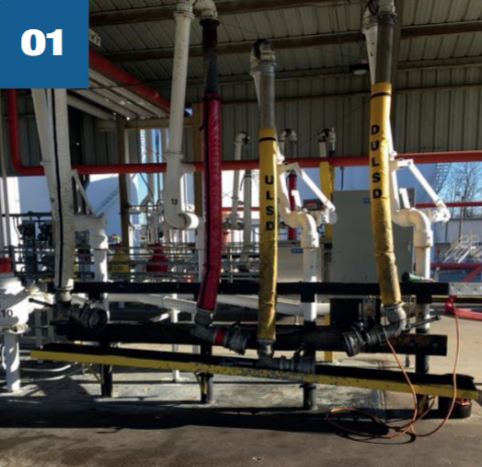
A lot of time, thought and effort is needed when identifying a solution that optimises terminal operations, says OPW’s David Morrow Imagine seeing a notice asking for symphony orchestra musicians to be at a concert hall on a certain day and time, prepared to play Beethoven’s Fifth Symphony, without rehearsal. The individual musicians who responded would likely have the talent and some past experience, but the performance as a whole would be disjointed. Now try outfitting a storage terminal in the same manner, selecting loading-arm system equipment that probably should work well together, but with no past experience. The operation […]
Protecting secondary containment areas
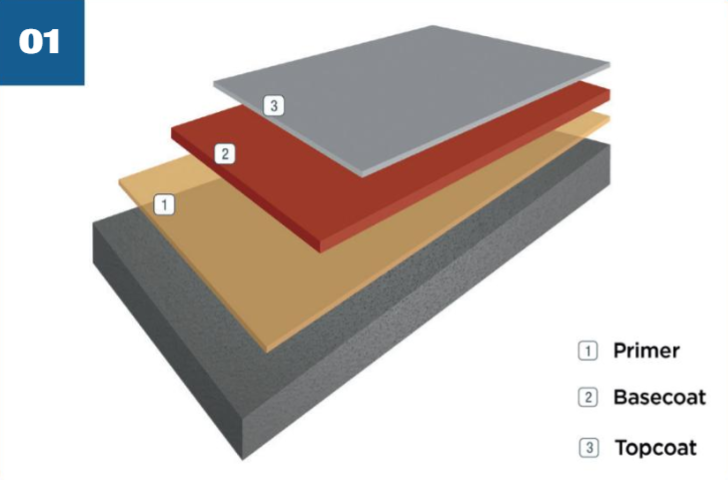
Choosing the right coating and lining systems depends on multiple variables, say Bruce Toews, Johnny Pourciau and Rodney Cressionnie from Sherwin-Williams Protective & Marine Oil, gas and petrochemical facilities are required to provide both primary and secondary containment areas. Primary containment areas include tanks, feed piping, pumps and process equipment, while secondary containment areas (SCAs) include surrounding structures such as dykes, channels and sumps. Common requirements for SCAs include: Materials: SCAs must be constructed of or lined with materials that are compatible with the contents placed in primary containment vessels. Capacity: SCAs must have capacity to contain 100% of the […]
The future of AST life cycle management

Dr Steve Ziola considers non-invasive, in-service leak detection, bottom plate assessment and sludge gauging for decades aboveground storage tank (AST) owners and operators have struggled, and spent millions, working to balance operational constraints, contractual requirements and AST integrity management. Even with no known leaks, state and federal regulations mandate costly and time-consuming periodic openings and inspections. Robotic technology has found its way into the industry and allowed for AST bottom plate inspection without personnel entry and in some cases, while the AST is in service. Even without personnel entry, AST’s must still be opened, bringing into play certain regulatory requirements […]
Understanding rope access
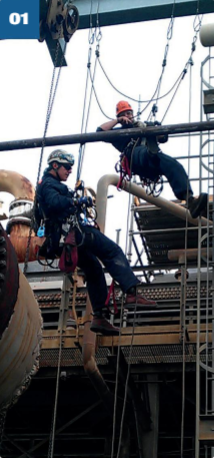
HMT’s Manny Williams runs through the basics of industrial rope access In less than 30 years, industrial rope access has exploded. What was once an experimental technique used to address challenging maintenance issues on offshore facilities has become a mainstream technology for accessing hard-to-reach structural elements in the petrochemical industry and beyond. As a replacement for scaffolding and other structured support methods, industrial rope access technology is less costly and time-consuming to deploy, and provides workers with more flexible access without compromising their safety. But the applicability of rope access extends far beyond this. WHAT IS ROPE ACCESS TECHNOLOGY? In […]
Rimfire protection issues
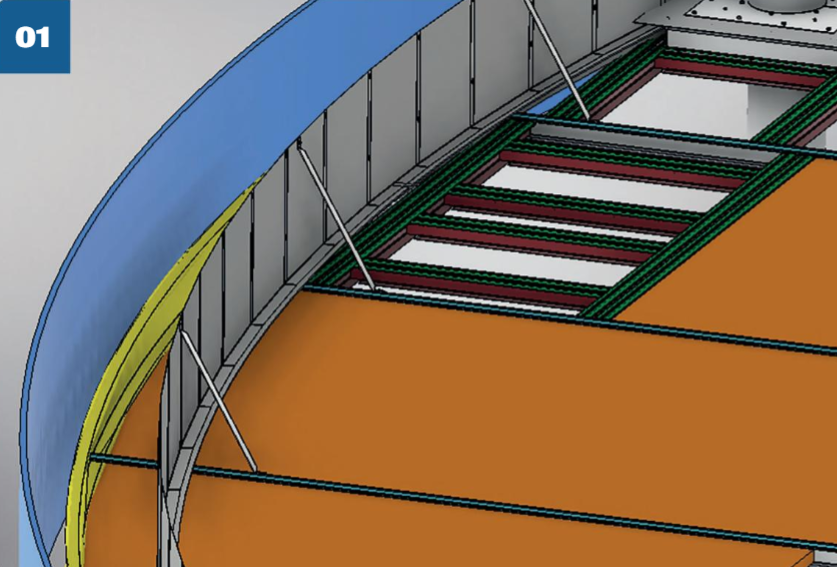
Cornelis Jan Kallemein and Maarten van Abeelen from the Safety Region Rotterdam-Rijnmond have uncovered a problem with some foam dam constructions on tank floating roofs The Rotterdam-Rijnmond area is unique due to its large harbour and industrial area. In this harbour there are a lot of vertical atmospheric storage tanks to store flammable and combustible dangerous goods. Protecting these tanks is critical to the area’s economy, environment and safety. We are the advisors of the department of industrial safety, part of the Safety Region Rotterdam-Rijnmond (the regional emergency services). We work with tank operators and tank equipment suppliers to advise […]
The three lines of environmental defence

Shirley Miles from Adler and Allan, discusses how partnering with a trusted environmental protection provider can ensure standards are implemented correctly Primary (tank), secondary (bund) and tertiary (separator) containment systems are the first, second and third line of defence against environmental pollution. Regular asset maintenance is essential to keep all pollution prevention equipment working at optimum efficiency, safeguarding operations handling and storing oil or other hazardous materials. WHAT DOES THE LAW SAY? Two of the key pieces of legislation on containment are: The Water Resources Act 1991 states that ‘It is an offence to cause or knowingly permit any poisonous, […]
Why install lightning protection on a process control plant?
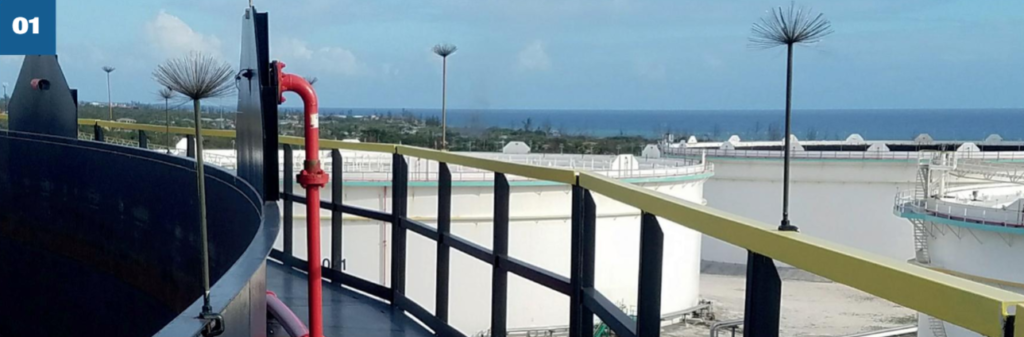
Understanding the differences between different types of lightning protection with Lightning Master MORE AND more plants are being equipped with structural lightning protection (lightning rod) systems. Many of these are ‘fuzzy ball’ lightning rods, but what are they? In high lightning areas, plant operators understand that lightning is a real problem, damaging equipment and producing plant outages and down time. Hence, the presence of structural lightning protection systems. However, in order to secure benefits, if any, from the system, it helps to understand the purpose, nature, and operation of such systems. INHERENT SELF-PROTECTION OF TANKS AND OTHER INDUSTRIAL FACILITIES A […]