TANK BOTTOM LIFE, RISK BASED INSPECTION AND CORROSION: PART 3

What it takes to implement corrosion prediction of tank bottoms. IN PART 1, we established a foundation for determining what a corrosion rate is, how care is required in defining a corrosion rate, and how it is used to establish tank internal inspection intervals. In Part 2, we provided the methodology for using survival analysis to properly quantify the useful tank bottom life. Part 3 will look at the details of how the gamma process model can work and show the kinds of results returned by simulated examples. THE CORROSION PROCESS The gamma model of corrosion has been applied to […]
IMPROVING DIVERSITY AND INCLUSION WITHIN THE TANK STORAGE SECTOR

A look at the points raised by Ollie Folayan in Tank Storage Magazine’s October webinar DIVERSITY and inclusion are buzzwords that seem to be everywhere at the moment. But in a world where differences, at least by many people, are now being celebrated, is the tank storage sector doing enough to encourage people of colour, or women, or people with disabilities, or members of the LGBTQ+ community to join the industry? Or can more be done? In Tank Storage Magazine’s most recent webinar, Dr Ollie Folayan, a process engineer in the oil and gas industry, member of the Oil & […]
DIGITALISATION: CONNECTING THE OIL AND GAS SUPPLY CHAIN

Tank Storage Magazine talked to Implico CEO Tim Hoffmeister about ongoing structural reorganisations within the oil and gas industry, the need for a standardised supply chain and the upcoming online check-in for trucks at tank farms. DIGITALISATION is still on everyone’s lips. What is your understanding of the term ‘digitalisation of the tank storage industry’? Terminal management has come a long way. And yet, we are currently in the starting blocks again – ready to head into a new era of digitalisation. Whereas a terminal management system mainly had to function in the past, it now also has to […]
FIBRE OPTIC TECHNOLOGY BEYOND TRADITIONAL LINEAR HEAT DETECTION

AP Sensing’s novel solution addresses the need for monitoring storage tanksand pipelines THE susceptibility of modern-day assets in the oil and gas industry canpose significant challenges. For example, storage tanks are filled with chemicals that are flammable and often explosive, but these tanks can be ten or more years old and geographically located in regions with substantial lightning activities. Similarly, pipelines are susceptible to leaks and third-party interference (TPI), which can have hefty consequences. Distributed fibre optic sensing (DFOS) technology is becoming an increasingly popular method for monitoring critical infrastructure such as pipelines, floating and fixed roof tanks, loading docks, […]
CHOOSING THE RIGHT HOSE SYSTEM
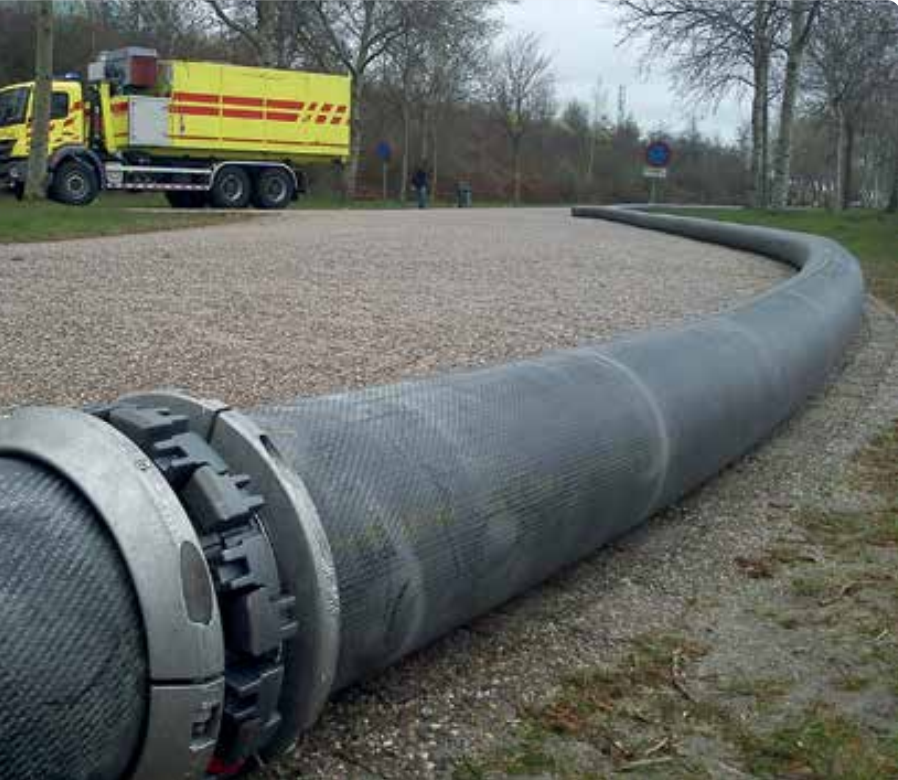
Hytrans looks at how to choose the right hose, couplings and recovery unit for your needs INDUSTRIAL firefighting asks for more water and more pressure, and this needs larger hoses and larger pumps. The mobile water supply systems need to be more flexible and more powerful to provide this flow and pressure. However, while flow and pressure are important, they are not the only things that make a water supply system work. The question is, how do you get the water to the monitor or fire truck in a safe and quick manner without requiring a lot of personnel? Dutch […]
LIGHTNING PROTECTION OF EXTERNAL FLOATING ROOF TANKS

Lightning strikes are always a risk on a storage tank, but effective bonding between the floating roof and the shell can reduce the risk of sparks SINCE 2013, at the Iranian Oil Terminal facility located in Kharg Island, more than 12 fire incidents have occurred due to lightning strikes. In 2015, one strike resulted in simultaneous fires in five tanks, and staff noticed that all damaged tanks had a mechanical sealing system, leading them to question the safety of mechanical sealing systems regarding the lightning impacts. Due to the location of tanks in Kharg Island, at a height of 60 […]
BYPASS CONDUCTORS PROTECT FLOATING ROOF TANKS

Protecting your tanks from lightning strikes using a retractable grounding reel THE roof of an external floating roof tank rests directly on the surface of the stored liquid, leaving little vapour space and consequently leading to a much lower risk of rim space fire. Proper lightning protection is critical for fire prevention –the floating roof tank roof and the outer shell must be bonded continuously to prevent arcing. Fire incidents are reported in tank farms every year, and James I. Chang and Cheng-Chung Lin found that 80 of 242 tank accidents in their study was caused by lightning1. Floating roof […]
SPILL CONTROL IN AN INDUSTRIAL FIRE INCIDENT
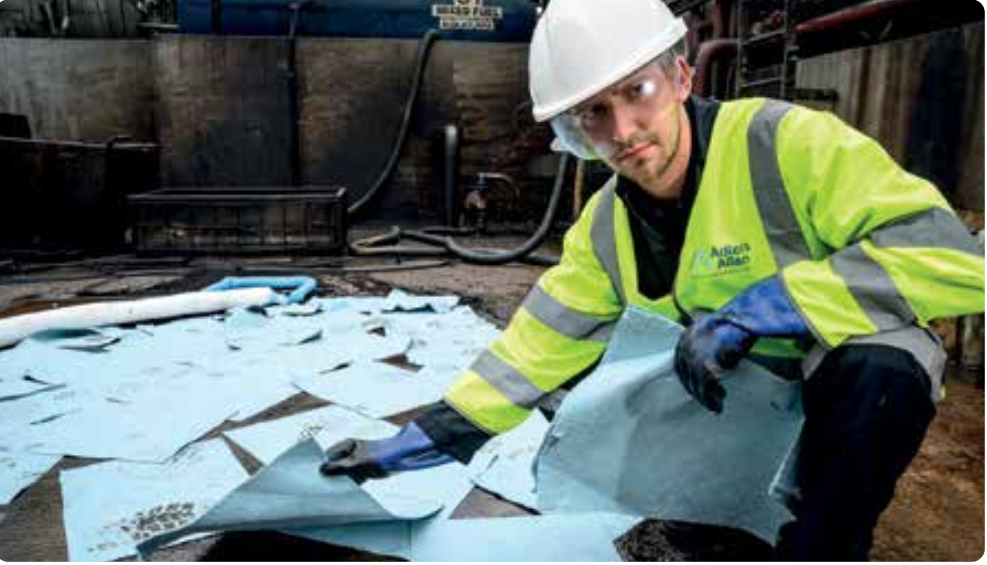
Bill Atkinson from Adler and Allan discusses key environmental considerations for fires, and how to rebuild a compliant business once the smoke has cleared MAJOR accidents such as the 2005 Buncefield oil storage depot fire prove that industrial blazes can swiftly escalate into catastrophic pollution events. As witnessed during the disaster in Hemel Hempstead in the UK – which released a cocktail of chemicals including perfluorooctane sulphonate (PFOS), benzene and xylene into a nearby aquifer – the likelihood of a hazardous pollution event spirals during a fire event. This ramps up the risk of toxic materials and firewater run-off contaminating […]
EMERGENCY MANAGEMENT PLANNING FOR STORAGE FACILITIES

Safety expert Paul Calderwood runs through the aspects to consider when developing an emergency management plan ONE of the benefits of having worked in emergency management planning for so long, is that I have seen a lot of incidents and read the reports about what happened and how it happened. As a deputy fire chief I responded to many incidents and have seen firsthand how fast things can go bad. However, with good planning and training, I have also seen incidents handled before I even got to the facility. What I am going to ask you to do today, as […]
HOW NEW ZEALAND EARTHQUAKES MADE TANKS SAFER

Standing ankle deep in spilled Sauvignon Blanc inspired structural engineer Will Lomax to develop the Onguard system to protect all liquid storage tanks from earthquakes BETWEEN 2011 and 2016, New Zealand was struck by a series of devasting earthquakes. Will Lomax is a structural engineer who witnessed and experienced the three most severe events first-hand, and who was directly involved in the recovery from each event. He has since pioneered new ways of thinking to create more resilient infrastructure for future generations. SERIOUS STRUCTURAL DAMAGE The first event struck Christchurch, the South Island’s biggest city, in February 2011. Despite being […]
PHYSICAL SECURITY TECHNOLOGY FOR TANK STORAGE FACILITIES

New-generation perimeter intrusion detection sensors combined with video analytics and intelligent lighting can dramatically enhance detection, deterrence and response capabilities while meeting budgetary constraints and operational realities THE PHYSICAL security of storage facilities for oil, natural gas, and refined products is critical for public safety. A deliberate attack on a facility could result in injury or loss of human life, harm to the environment, and severely impact supply chains of energy and other critical products. Even less serious incidents, such as vandalism, theft or simple trespassing can also result in substantial damages to high-value assets, potential liability and interruption of […]
SENDING IN THE FLYING SQUAD
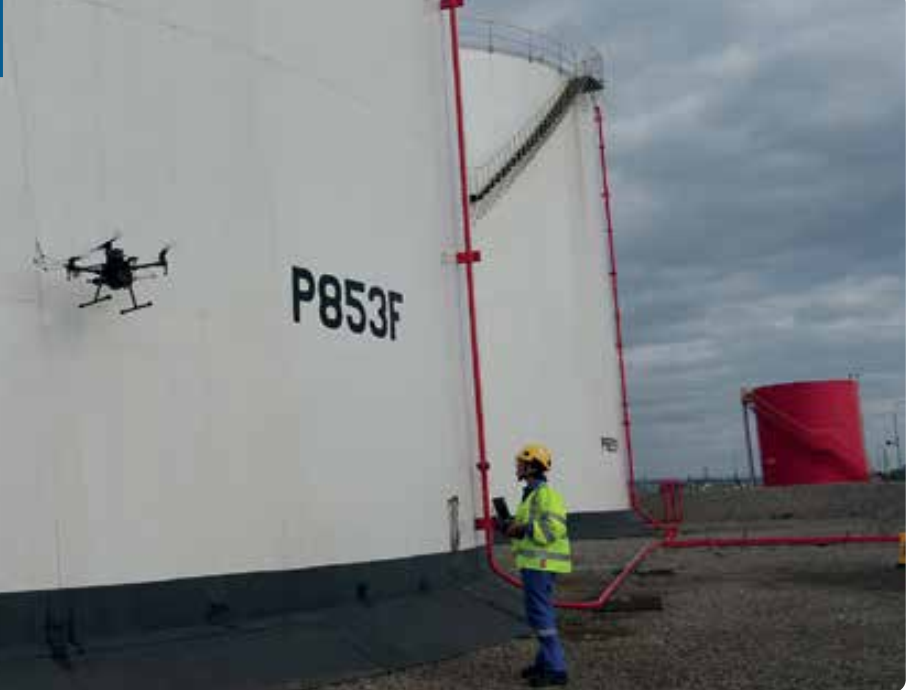
Navigator Terminals turned to drones for safe, reliable tank inspections MORE than ever before, drones are becoming invaluable tools in a variety of sectors – including the tank storage world. With their ability to increase efficiency and improve safety, drones have become important tools for inspection, enhancing condition monitoring. Until recent years drones were only able to display what their cameras captured. Now, thanks to artificial intelligence software, they can understand and analyse their surroundings, which enables them to map areas, track objects, conduct surveys and provide analytical reports in real-time. In the process industry, unmanned aerial systems are […]
ROCKET SCIENCE FOR FRENCH FRIES
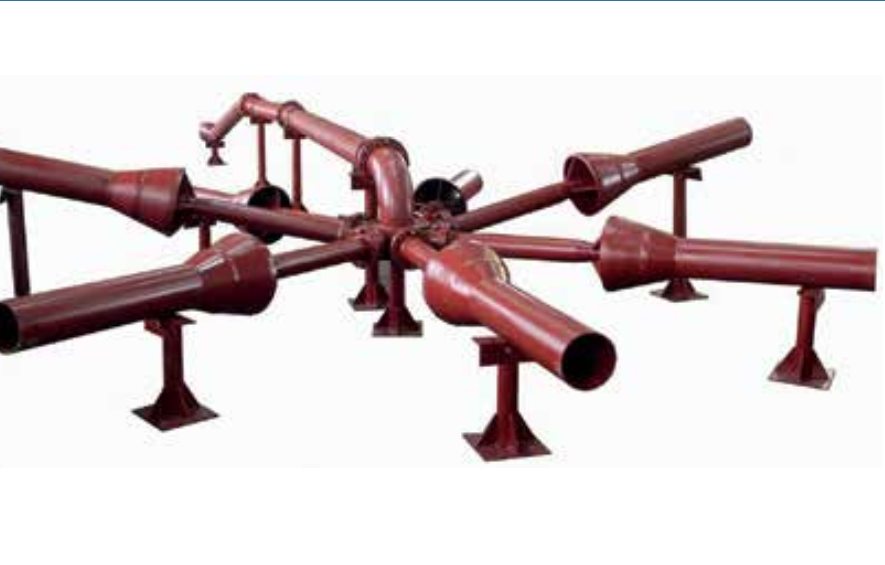
How computational fluid dynamics helped in the development of innovative jet mixers for tanks NOT MANY people understand that the oil used to fry chips meets many challenges on its route from the field to the frying pan. Some of them arise during the liquid bulk storage phase, such as layering of the oil and building of sediments in the shore tank due to inefficient mixing. This, in turn, leads to the decomposition of oil quality and direct costs, as well as negative externalities associated with the need for cleaning the shore tank, sediment utilisation, and related production idle time. […]
THE EVOLUTION OF SPECIALISED SORBENTS
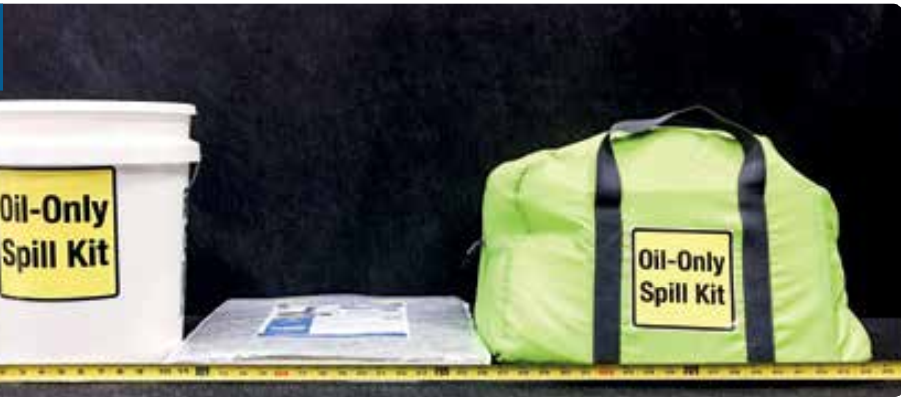
Spill control manufacturer HalenHardy charts the changes and developments that ultimately led to its new recycled sorbent ANCIENT Greek and Roman texts and artwork document the use of terracotta, metal and wooden containers to transport and store liquids – and with the storage of liquids came the potential for anything holding those liquids to leak and spill. The same ancient texts and artwork also contain the first documented uses of sponges and wiping materials. Of course, ancient civilisations didn’t have paper towels or other commoditised sorbents. Textiles and papyrus were expensive because they were made by hand, so these items […]
PLAN WISELY, MANAGE YOUR RISK
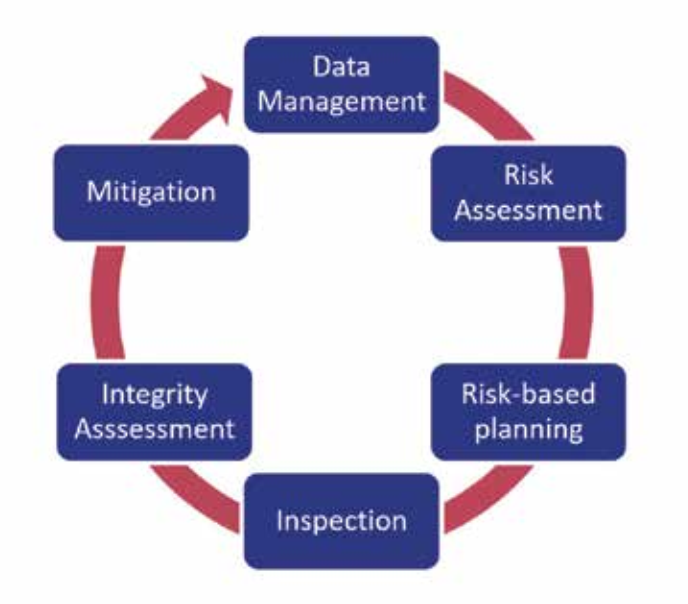
Find out the benefits of risk-based inspection for API RP 581 and EEMUA 159 CHALLENGING times strongly drive the need to optimise existing procedures and systems while minimising business risks with day-to-day operations. When talking about tank integrity management, we deal with the challenge of balancing efforts and benefits while complying with safety regulations and standards requirements, bearing out the need of keeping tank full capacity and many times with the unavailability to timely carry out inspection and repairs. Risk-based inspection used as part of tank integrity management systems allows the integration of engineering and management processes in a systematic […]
TECAM: 15 YEARS OF GROWTH
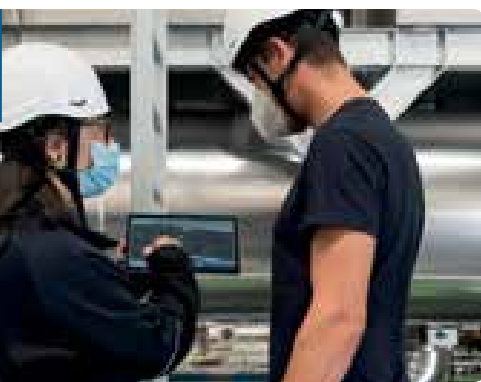
The 2020 Tank Storage Magazine Environmental Performance Award winner looks back IN THE midst of the pandemic we are all living through, advanced environmental technology solutions company Tecam is celebrating 15 years in business. In August 2005 Borja Maestro founded Tecam Soluciones Medioambientales in Barcelona, Spain, as an environmental technology distribution company. That small start-up soon evolved to become Tecam Group, which began manufacturing environmental technology to eliminate polluting emissions from the industry. The path to now was not always easy. Bernat Sala (today’s Tecam CEO) joined the company in 2007 as sales director and shareholder to lead the company’s […]
PEERLESS GAS FLARING
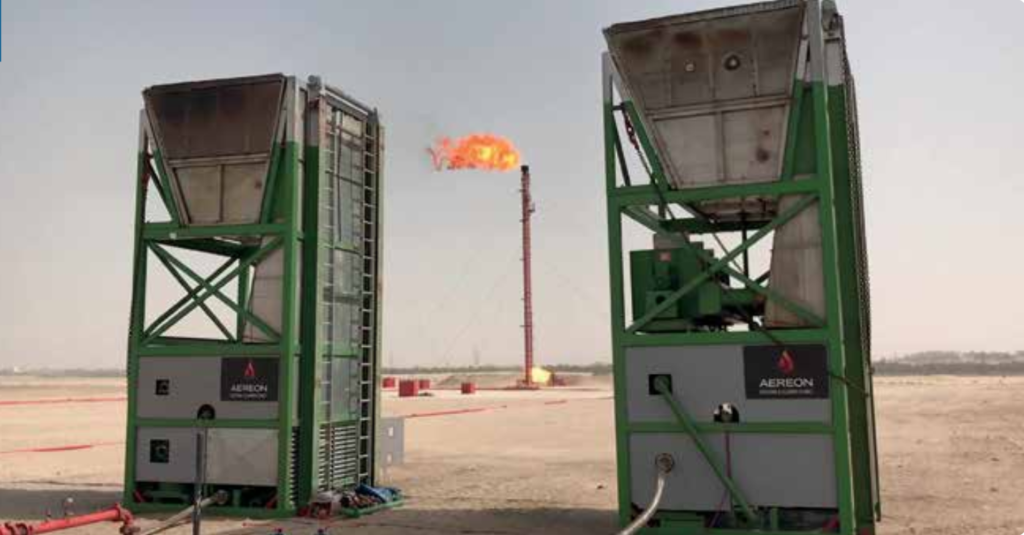
Michele Nazzaro and Harold Kempinga from Aereon Europe discuss the Aereon CEB, the EU-certified best available technology for gas flaring operations MANAGING vapour recovery and the containment of volatile organic compound (VOC) emissions is a must. Not only are atmospheric emissions regulated by increasingly stringent legislation, but many companies have a growing culture and commitment for a cleaner planet. Vapours containing potential VOCs are generated from various sources, such ascrude oil transfer into storage tanks and road tankers, pipelines and vessels to be isolated and purged for maintenance, gas well testing operations, and many others. Scrubbers, carbon bed adsorption and […]
SINGLE-FLOW TWIN SCREW PUMPS FOR FLEXIBILITY AND EFFICIENCY

VPS single-flow twin screw pumps can adapt to a variety of flow media with low operating costs A TECHNOLOGICAL change is emerging in tank farm and chemical applications. Single-flow twin screw pumps have started to replace conventional positive displacement pump technologies at flow rates up to 500 m3 per hour. This is as a result of an increasing demand in flexibility, the permanent optimisation of operating costs and the required efficiency of rotating equipment to remain competitive. Tanks store a wide variety of products such as gasoline, heavy oils and various chemicals. Operating pumps in particular must have good suction […]
WSG’S GAS LEAK DETECTION AND REPAIR SERVICES

An innovative method using the world’s most sensitive optical gas imagery cameras IN ADDITION to their current support services to storage tank operators, which includes infrastructure projects, maintenance and UHP tank cleaning services, WSG are further growing their offering as a leak detection and repair specialist (LDAR) with the addition of WSG Enviro to the WSG Group. WSG’s aim was to make regular maintenance or maintenance during outages and shutdowns seamless, efficient and productive with minimum downtime required. WSG already had an extensive track record as a leak detection and repair specialist, supplying services from the existing core business lines […]
THE GREAT FOAM DILEMMA
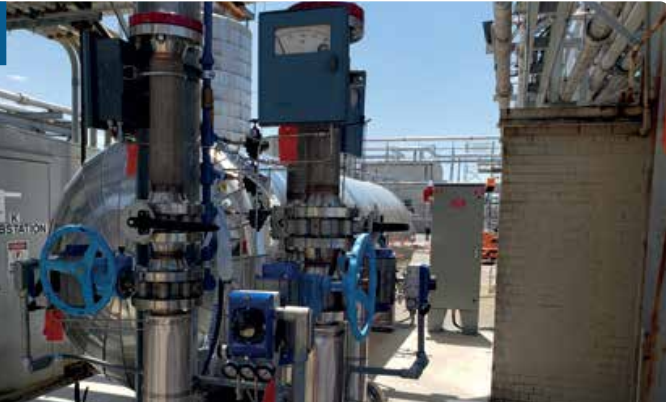
A guide to choosing the most suitable foam for your fire protection needs IN 1902 Russian chemist and engineer Aleksander Loran developed and patented the first fire suppression foam for extinguishing flammable liquid fires, by physically mixing two powders and water. Many innovations to fire-fighting foam have since been developed, including Aerofoam (Percy Lavon Julian, 1942), high-expansion foam (Herbert Eisner, 1956), fluoroprotein foam (National Foam, 1965), aqueous form filming foam, AFFF (US Navy, 1966), alcohol resistant aqueous form filming foam, AR-AFFF (National Foam, 1973), and synthetic fluorine-free foam, SF3 (3M – 2002). All foam concentrates mentioned with the exception of […]
FIGHTING FIRE WITH ROBOTS

Meet the Netherlands’ remote controlled fire-fighting robot: the Inferno Beater HOLLAND Holland Special Pumps (HSP) is the only firefighting robot manufacturer in the Netherlands. Last year the company launched the Inferno Beater, a remotely-operated fire extinguisher robot, which can be used in tank farms, as well as other applications such as houses, industrial buildings and parking garages. The Inferno Beater contains a camera, so can be controlled even when the operator is out of sight, allowing the machine really close access to the fire. It can be connected to almost any type of water supply, such as hydrants, fire trucks […]
SAFETY IS AT THE HEART OF OUR OPERATION
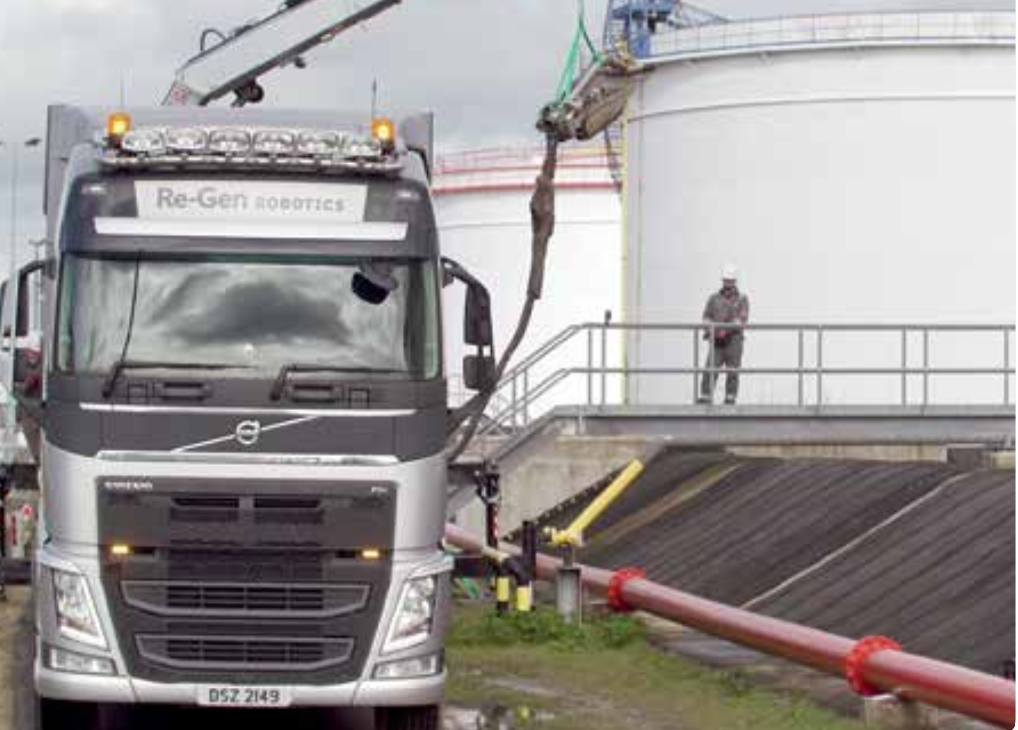
If you are committed to enhancing safety and productivity in your operations and recognise that commissioning manned crews to clean tanks in hazardous environments is no longer an option, then Re-Gen Robotics has the answer to your tank cleaning requirements MANAGING Director, Fintan Duffy says that it’s time to move on from dangerous ‘man entry’ tank cleaning procedures that are outdated and time consuming. ‘Our state-of-the-art, explosion proof, Ex Zone 0 rated tank cleaning robots, do the jobs that are simply dangerous for people. “Not only do they operate in hazardous environments where humans can’t, but they can also take […]
ISGOTT: THE INDUSTRY GUIDE TO TANKER AND TERMINAL SAFETY

Rob Drysdale and Dave Wall from OCIMF run through the changes in the updated guide IN JUNE 2020, the International Chamber of Shipping (ICS) and The Oil Companies International Marine Forum (OCIMF), in conjunction with the International Association of Ports and Harbors (IAPH) published an updated edition of the International Safety Guide for Oil Tankers and Terminals (ISGOTT), a text which is widely regarded as the definitive reference guide for oil tankers and storage terminals. The primary purpose of ISGOTT is to provide operational advice to assist personnel directly involved in tanker and terminal operations. It makes recommendations for tanker […]
API’S LATEST EDITION OF OIL STORAGE STANDARD ADDRESSES OVERFILLING

Debra Phillips from the API runs through important updates to API Standard 2350 THE newly released 5th edition of API Standard 2350, Overfill Prevention for Storage Tanks in Petroleum Facilities, is a key update to a standard designed to prevent overfilling at oil storage facilities, which has become increasingly important to the industry as supply and demand trends are affected by the current pandemic. This new update supports improvement to operational safety, reliability, and environmental sustainability by supporting ongoing maintenance and risk management at oil storage facilities. Indeed, careful consideration was give to the benefits provided by overfill prevention relative […]
EMERGING INVESTMENT THEMES FOR TODAY’S STORAGE BUSINESSES
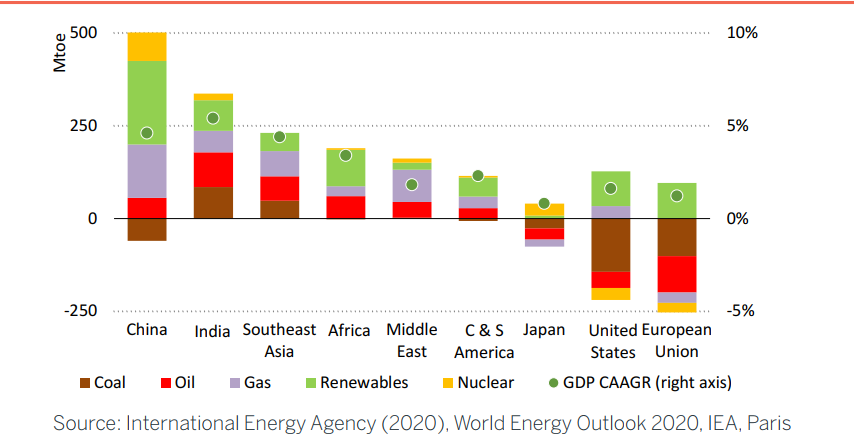
The investment environment in the light of IMO 2020, COVID and the acceleration towards energy transition THE CURRENT REALITY AND THE IEA PERSPECTIVE LIFE in 2020 is about COVID-19 and energy transition. We still do not have a clear answer for either. What is clear is that the world will decarbonise. Over time, fossil fuels will play a diminished role. The pace of change is still not clear. Without doubt there will be a repositioning in the tank storage sector and there will be localised casualties. Increasingly, investment is going to be driven by the requirements to be sustainable and […]
PLAYING A CRITICAL ROLE
A look at the importance of bulk liquid storage in the UK to the COVID-19 recovery and the energy transition. THE tank storage sector is essential to maintain our day-today life, providing a critical link in the transportation system for liquid products, from transport and heating fuels to chemicals and food-grade products. This year, as much as any other sector of the UK’s economy, bulk liquid storage has also felt the impact of COVID-19. During this challenging time, the industry and associated logistics continue to work tirelessly to keep critical infrastructure operating. Against a background of increased demand for petroleum […]
FUTURE-PROOFING A TERMINAL

Colin Horton from Oikos Storage in the UK speaks to Tank Storage Magazine about recent expansions and future plans. THE Oikos Storage terminal is situated on a 28 ha site about 65 km to the east of London, on Canvey Island in Essex, UK. It has more than 35 tanks with a total capacity of around 300,000 tonnes, and is the only independent terminal in the UK with access to the deep water navigable channel of the River Thames, and connected to the UK’s national fuel distribution pipeline networks. The terminal started operations in 1936 as a general purpose […]
AGILITY AND INNOVATION: HOW UM TERMINALS MEETS CUSTOMERS’ NEEDS
One of the UK’s leading bulk liquid storage companies has put in place a new strategic growth plan and unveiled a name change. UM Terminals managing director Bryan Davies explains. UNTIL quite recently, UM Terminals was known as UM Storage. But the Liverpool, UK-headquartered business has ambitious growth plans and felt that their old name did not do full justice to today’s business. Commenting on the company’s new name, managing director Bryan Davies says: ‘We felt that UM Terminals and the strapline ‘Bulk Liquid Solutions’ better described the services we offer. The range of services we provide our customers […]
THE PATH TO TANK OVERHAUL COST REDUCTION
Five essential pillars to decrease maintenance costs and increase tank availability EVEN in the best of times, those who lead tank storage facilities continue to search for practical, attainable solutions for maximising availability while keeping a firm control on maintenance costs. During the unusual circumstances of 2020, with storage capacity at a premium, tank operators are making unconventional and expensive decisions to boost their capacity. Returning tanks to service, deferring scheduled maintenance, and enacting temporary fixes, push costs higher and increase risk. But what if tank operators could deploy a proven solution to reduce both outage durations and cost? This […]
THE IMPORTANCE OF TRAINING FRONTLINE EMPLOYEES TO CONTROL SPILLS

A spill at a tank terminal is most likely to be discovered by an employee, and if they are properly trained, the spill response can be much faster TIME is a priceless commodity. It seems that this precious resource is being stretched further and further these days. Between natural disasters, labour shortages and worldwide pandemics, most people are finding the need to do more with less. One ill-timed, unplanned interruption can derail the workload for weeks – especially something like a petroleum spill from one of the outdoor storage tanks. Chances are good that a frontline worker is going to […]
USING 3D LASER TECHNOLOGY TO CAPTURE AND MANAGE ASSETS

A3D’s laser scanning technology offers an innovative way to prepare piping and instrumentation diagrams to support your operations A3D embarked on a journey eight ears ago using 3D laser scan data to design a range of applications specifically tailored to operators of process installations. Developed around a strong focus on clients’ operational needs. The company’s successful business model has resulted in the engineers developing a range of competitively priced, well-designed applications to assist clients. Whatever the size of your manufacturing, storage or refining facility, A3D’s engineered products enable operational efficiencies in the operation, maintenance, documentation and asset management of your […]
ABOVE ALL ELSE

The American Chemistry Council explains the background behind its Chemical Facility Safety Initiative SAFETY is an area close to the heart of any tank farm operator, but with multiple and changing assessment tools, standards, regulations, and guidelines, it can be a little perplexing. In 2019, following a series of high-profile chemical facility safety incidents in the Houston, Texas, region, the American Chemistry Council (ACC) convened an Ad Hoc Chemical Facility Safety Initiative Work Group in the US in an effort to offer clarity for chemical sites, including storage sites. Tara Henriksen is the managing director of the Responsible Care Initiative […]