3D SCANNING AND THE LIQUID TERMINAL CONTRACTOR

3D scanning equipment is a great tool, but it can do much more than just find corrosion or cracks 3D SCANNING manufacturers originally set their sights on the architecture, engineering and construction (AEC) industry, with an emphasis towards surveyors and construction engineers, for the manufacturing industry as a tool for use in reverse-engineering and prototyping, and archaeologists and historians as a useful documentation tool. As with most things digital and virtual reality-based, the technology continues to improve, the costs continue to go down, and an ever-growing number of users continues to find many new ways to leverage it. For anyone […]
SECURITY AND SAFETY REGULATIONS – WHAT TERMINAL OPERATORS NEED TO KNOW
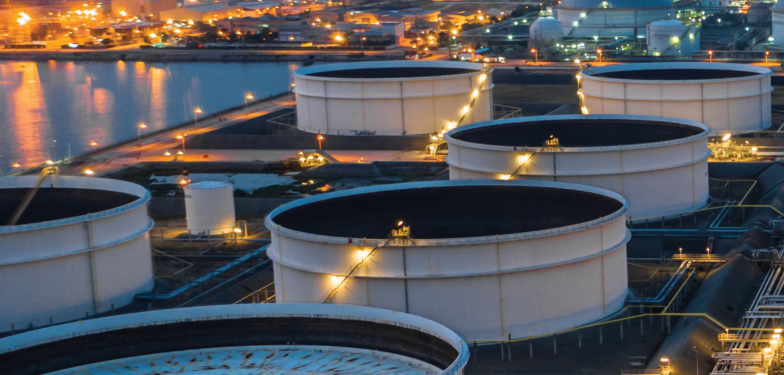
Peter Lidiak, vice president of regulatory affairs, International Liquid Terminals Association (ILTA), looks at the latest US standards SECURITY and safety are two core values of bulk liquid terminal operators. As part of the critical infrastructure community, bulk liquid terminals must pay close attention to the safety of not only their workers and contractors but also the communities in which they operate. And because bulk liquid terminals serve as a hub for all modes of surface transportation, including pipelines, rail, ships, barges and trucks, they must be secure to safeguard continued, reliable operations and delivery of the products they handle, […]
DEMAND IN A DOWNWARD SPIRAL

The only things rising are bankruptcies and distressed asset sales in the US shale industry WE’VE never had a downturn like this, that affected shale on a global basis as much as this has,’ says Daniel Lippe, managing partner at Petral Consulting Company in Houston, Texas. ‘Never in 100 years has demand suddenly evaporated as it did in March of 2020.’ COVID-19 quarantines kept cars in driveways, planes in hangars and offices workers at home. With so many vehicles avoiding fuel stops, the oil and gas supply chain backed up. Lippe observed: ‘The distribution system is a self-regulating mechanism. You […]
THE NEW KID ON THE BLOCK
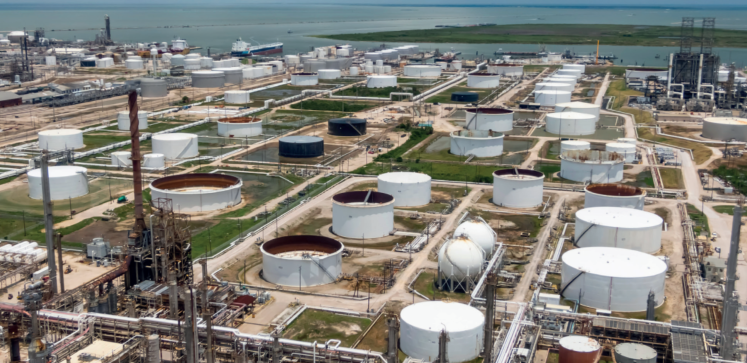
Why three former Oiltanking colleagues decided to launch Tivoli Midstream during a global pandemic. IN JULY 2020, three former Oiltanking colleagues and industry veterans announced that they had set up a new midstream, logistics and services company, Tivoli Midstream. Rance Fromme, Rick Adams and William Brod have over 70 years of experience between them, and decided the time was right to go it alone. ‘The idea of Tivoli started with casual conversations about trying to take advantage of opportunities in the market leveraging our vast experience in the midstream space. These conversations led to more conversations and before we knew […]
EXPLOITING CAVERNOUS CAPACITY

Easton Energy CEO Joel McComas tells Tank Storage Magazine about salt caverns and oil storage in Texas HYDROCARBON storage comes in all kinds of shapes and sizes – huge tanks, small tanks, in barrels, on ships, even in railway wagons and pipelines in recent months – but one of the biggest by capacity is in underground salt caverns. Underground salt caverns are created through a process called solution mining, where a well is drilled in a salt deposit and water pumped into the salt deposit to dissolve the salt and create brine, which is used in a variety of industrial […]
ACCELERATE THE FUTURE OF YOUR TERMINAL, TODAY

ON 27 May 2020, Tank Storage Magazine began a new venture – online professional seminars from industry experts. The first one, entitled ‘Accelerate the Future of Your Terminal, Today’, was given by John Colpo, Principal Analyst, Oil and Gas, at Honeywell. ‘We partnered with Tank Storage Magazine to help us maximise our reach with terminal operators around the globe – they covered all the bases on a promotional front, were flexible to our needs, and their industry knowledge all contributed to an easy partnership and successfully executed webinar,’ says Liliana M. Pereira, Global Customer Marketing at Honeywell Process Solutions. Colpo […]
A NEW SAFETY CONCEPT FOR PRESSURISED LNG STORAGE TANKS

LNG is the fastest-growing gas supply source in the world due to two crucial economic and environmental factors. On the one hand, LNG has a very attractive price and on the other hand – in terms of sustainability – clean burning gas produces significantly fewer emissions than oil and coal and has the lowest environmental impact amongst fossil fuels. LNG produces 25% less carbon when used in the power sector compared to fuel oil, 50% less carbon compared to coal, and 99% fewer particulates, 85% less nitrogen oxide (NOx) and 99% less sulphur oxide (SOx) than traditional fossil fuels as […]
TANK BOTTOM LIFE, RISK BASED INSPECTION AND CORROSION: PART 2

IN PART 1, we established a foundation for determining what a corrosion rate is and how it is used to establish tank internal inspection intervals. In this part we provide the methodology for using survival analysis (Sidebar 1) to properly quantify the useful tank bottom life which may then be applied to managing the inspection protocols of tank populations. [SIDEBAR 1: SURVIVAL ANALYSIS Survival analysis is a branch of statistics that is best suited to technically address rates of mortality and lifespan. This idea might be applied to: Cancer studies of patient survival time Equipment failure and failure time analysis […]
GETTING THE MIX RIGHT FOR BETTER PROFITABILITY

ACCORDING to the EIA’s most recent forecasts, global oil consumption will average 92.6 million bpd in 2020, down 8.1 million bpd from 2019. This decline comes from reduced travel and diminished industrial activities due to the COVID-19 pandemic. While the decline in consumption has been immediate, the production and distribution chains (extraction, separation, transportation, storage, blending and refining) unwind at a much slower pace. Decisions to cap wells are not taken lightly, because shuttering productive sites can result in a complete loss of unrecovered reserves once a well is capped. Today, almost 100 different countries produce oil, and for many, […]
RARECHEM’S INNOVATIVE DECK LIFTING SYSTEM USED AT DANGOTE REFINERY

THE 650,000 bpd Dangote Refinery, under construction in Lekki, Nigeria, will be the world’s largest single train refinery, when complete. It is large enough to provide Nigeria’s entire domestic need for refined products, as well as products for export. A big refinery needs a lot of tanks. At present, UAE-based firm ChemieTech of Sharjah is building 155 tanks at the site. Of these, 51 are floating roof tanks, 10 with a diameter of 92 m, eight with a diameter of 66 m, 25 with a diameter of 57 m and eight smaller tanks. Floating roof tanks present particular challenges, including […]
THE EVOLUTION OF TANK CLEANING
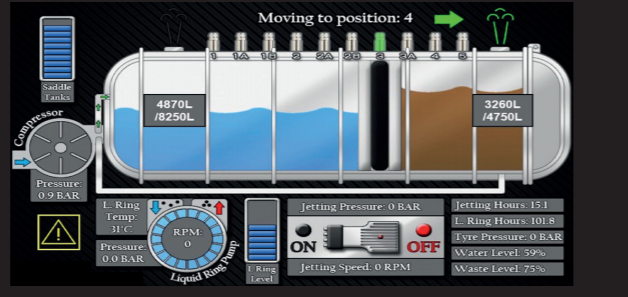
ROBOT implementation continues to increase globally and the rapid proliferation in robot capabilities – driven by innovations, means that they can do the jobs that are just plain dangerous for people. Not only can robots operate in hazardous environments where humans can’t, but they can also take on the tasks that pose a significant risk to human life. Over the last year Re-Gen Robotics has had the pleasure of working with some of the benchmark oil majors, who are embracing the company’s state-of-theart, explosion proof, Ex Zone 0 rated tank cleaning robots. These industry leaders are committed to enhancing safety […]
TWTG VALVE SENSORS OFFER RETROFIT SAFETY SOLUTIONS

THE INDUSTRIAL Internet of Things (IIoT) offers huge benefits to industry. With different parts of a facility connected centrally, data on temperature, pressure, inputs, outputs, flow and many more aspects can be gathered and monitored in real time, offering insights into plant performance, safety, and efficiency. This allows operators to make informed decisions on process improvements, maintenance, and safety, among other things, saving time and money, reducing incidents and improving the environmental sustainability and energy efficiency. Get enough data and it is possible to build a so-called digital twin of a facility, which can run virtually and offer even more […]
IDENTIFYING AND AVERTING FUTURE CATASTROPHIC VALVE FAILURES
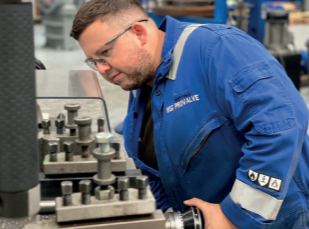
HIGH quality industrial valve components are becoming an increasingly important driver in the push for maximum operational efficiency. Exposure to extreme conditions, both externally and internally, can result in catastrophic failures due to corrosion, erosion and cavitation, and remain a root cause of depleting valve performance and failures. For 13 years Provalve has provided specialist valve solutions within the petrochemical, refinery, oil and gas, power and general process industries. In 2017 Provalve became WSG Provalve, and as part of the Well Services Group is able to provide full lifecycle support to clients’ assets, and an integrated and managed service with […]
DEFINING THE VALUE OF DISRUPTIVE TECHNOLOGY
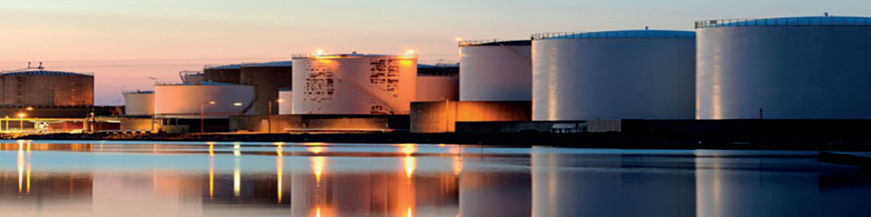
EARLIER this year Saudi Arabianbased Manifa Petroleum Services was one of the many technology service providers that were tasked with the challenge of partnering with Saudi Aramco to reduce the company’s US$200 million maintenance and turnaround budget by a minimum of 4% over the next two years through 2022. The company showed that by employing Oreco’s non-man entry closed loop tank cleaning systems, the company could not only help Saudi Aramco save money, but also improve safety and environmental practices and drastically reduce tank downtime. Manifa Petroleum Services invested in the Oreco non-man entry automatic tank cleaning (ATC) technology in […]
ROBOTIC INSPECTIONS MEETING API 653 TEST STANDARDS
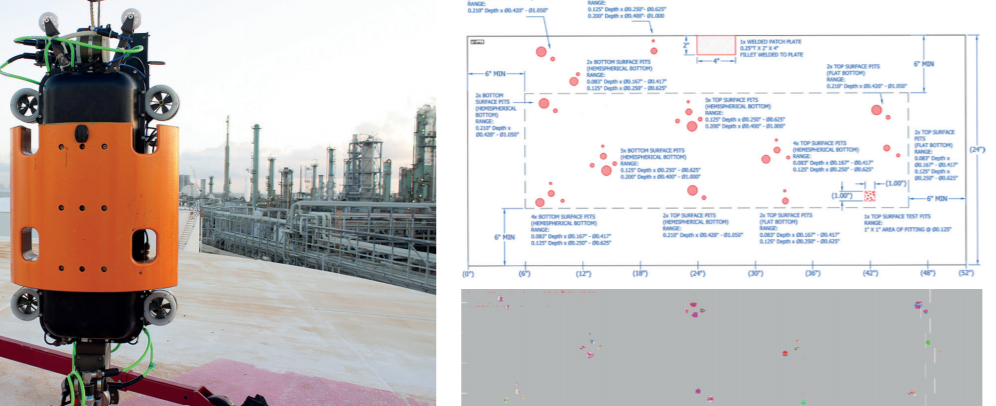
VERITANK, a Houston-based autonomous robotic tank inspection provider, has recently successfully completed a round of non-destructive testing (NDT) on a plate with known manufactured defects that meet the standards of API 653, Annex G.5.1, Qualification Test Plates. The testing took place at Veritank’s headquarters where the company has installed a high accuracy x,y,z submerged, 7’x 20’ (2.1 m x 6.1 m) motorised test table that is capable of scanning actual tank floor sections. In this round of testing, Veritank used the two NDT technologies currently available on their in-service inspection robot – Pulsed Eddy Current (PEC) and Phased Array Ultrasonic […]
BEYOND REACH… THE IMPENDING IMPACT OF BREXIT ON CHEMICAL STORAGE IN THE UK

HAVING officially left the European Union, the UK is now in an interim period covered by the Withdrawal Agreement, in which EU laws continue to apply. However, when we get to the end of 2020, all EU legislation will cease to apply in the UK – including REACH, the EU regulation concerning the Registration, Evaluation, Authorisation and Restriction of Chemicals The Department for Environment, Food and Rural Affairs (Defra) has confirmed that the UK will implement its own version of REACH on 31 December 2020. UK REACH will be run by Defra and the Health and Safety Executive (HSE) and […]
ENSURING PROCESS SAFETY IN A PANDEMIC
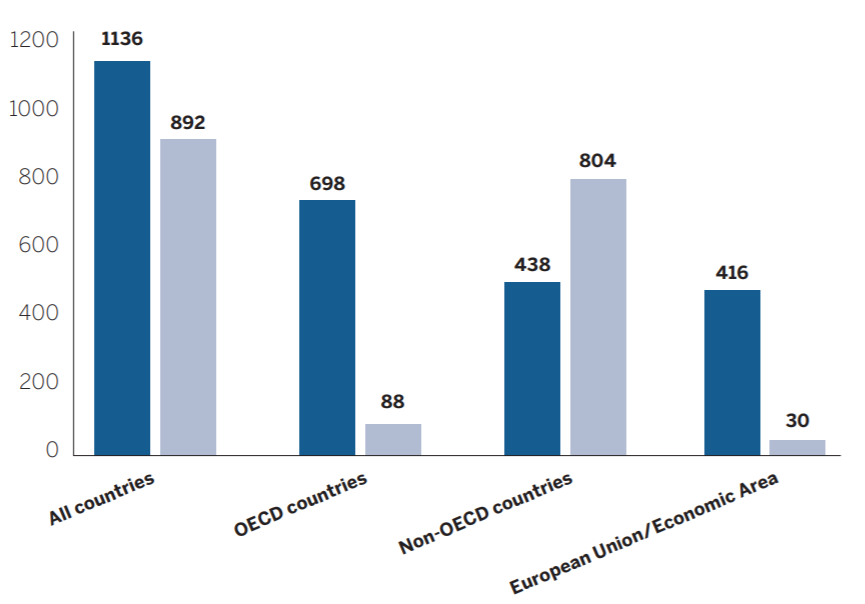
THE LESSONS Learned Bulletin on Chemical Accident Prevention and Preparedness (CAPP) is a publication of the Major Accident Hazards Bureau (MAHB) of the European Commission’s Joint Research Centre (JRC). The MAHB is the EU’s centre of reference for study and exchange of information on chemical accident analysis and risk management. It fulfils obligations imposed by the Seveso Directive (2012/18/EU) to collect information on major chemical accidents occurring in the EU Member States and disseminating their lessons learned. It also facilitates exchange on chemical accidents in OECD countries, as part of over two decades of collaboration with the OECD Working Group […]
RELEASE OF HAZARDOUS VAPOURS AT LG POLYMERS CHEMICAL PLANT IN INDIA

MEDIA reports of the release of hazardous vapours from a chemical plant in India with fatalities in the surrounding neighbourhood1,2,3 awakens memories of 2-3 December 1984 and the disaster in Bhopal4. The incident in Visakhapatnam, Andhra Pradesh, India has multiple causes as described in the Report of the Joint Monitoring Committee to the National Green Tribunal5 which investigated the accident. Particularly problematic was the occurrence during the COVID-19 shutdown, which not only contributed to the incident itself, but also complicated the medical response. The styrene release led to at least 12 deaths, 3,000 affected individuals and the precautionary evacuation of […]
STANDING OUT IN A CROWDED MARKET

IN THE 16th century, Antwerp, in Belgium, was already a hugely significant and growing global port, and it was said that half of the world’s trade passed through its docks. The traders brought great wealth to the city, which was growing rapidly. In a little over 150 years, the population had risen from around 20,000 to more than 100,000. It was in this bustling atmosphere that the general cargo handler that would become Belgian terminal operator Noord Natie came into being. Handling mostly cargoes from Northern Europe, over the next four centuries the company grew, becoming one of the biggest […]
THE ONE-STOP FAMILY SHOP

WHILE much of the news in the tank terminals business is about the boom in oil storage as a result of COVID-19, companies storing other types of products are continuing to see steady, less dramatic demand increases. One such business is Maastank, a wholly owned subsidiary of the Dekker Group, situated in the Botlek area of the Port of Rotterdam. Maastank specialises in handling vegetable oils, fats, specialities, oleochemicals, base oils and biofuel. At present, it has 22 mild steel tanks and 52 stainless steel tanks, varying in size from 70 m3 to 2,400 m3, with a total storage capacity […]
EXPANDING IN THE NORDICS AND BEYOND, SUSTAINABLY

SWEDISH chemical supplier and trader Wibax grabbed headlines recently when it bought Baltic Tank, a chemical terminals operator in neighbouring Finland. Prior to the acquisition of Baltic Tank, Wibax already had nine terminals in Sweden and another in Finland, with a total storage capacity of 450,000 m3, and offices in Sweden, Norway and Finland. Its main storage products include tall oil, pitch, mixed fatty acids, and chemicals, of which the two major products are caustic soda and sulphuric acid. In recent years it has also developed the biofuels side of the business, demand for which is growing in Sweden, particularly […]
EPCA ANNUAL MEETING ENVISIONS THE POST-PANDEMIC WORLD

EPCA acts as the primary business network in Europe for the global petrochemical community, bringing together more than 700 companies from more than 50 countries. Its annual meeting is the largest petrochemical industry event in Europe, and would normally attract around 2,500 attendees. While the global COVID-19 pandemic means the event cannot physically take place, organisers are still planning a virtual event, Beyond the New Normal, on the theme ‘Building a smarter, circular and more inclusive post-pandemic world: Contributions of the petrochemical industry.’ The event is free of charge for delegates of EPCA companies that paid their 2020 membership fees. […]
HOW COVID-19 & THE PLUMMETING OIL PRICE HAS IMPACTED THE GLOBAL STORAGE MARKET

IN THE second of the new professional webinar series, held on 18 June 2020, Tank Storage Magazine spoke to three experts to find out how the global oil storage market has been affected by the current COVID-19 pandemic and what might happen next. The webinar, entitled ‘How COVID-19 & the plummeting oil price has impacted the global storage market’, was moderated by Patrick Kulsen, managing director of economics forecasting organisation Global Insight. THE OIL INDUSTRY POST COVID-19 Charles Daly, chairman of Channoil Consulting, gave the first talk of the webinar, on what the oil industry might look like once the […]
WHAT DOES THE EU’S CLEAN HYDROGEN STRATEGY MEAN FOR STORAGE?
THE European Commission’s latest action in this area is the publication of a Clean Hydrogen Strategy. The EU clean hydrogen strategy is focused on creating ‘clean’ hydrogen supply chains in the EU and developing EU leadership in clean hydrogen infrastructure such as electrolysers. The objective is to use clean hydrogen to help the process of decarbonising the EU economy in a cost-effective way, improving EU energy security by reducing reliance on Russian and US oil and gas as well as to meet the EU 2050 climate-neutrality goal. A new objective is to boost investment in Europe to help overcome the […]
WHEN SUPPLY OUTSTRIPS DEMAND

Kpler’s Alex Booth looks at how the global crude crisis in 2020 came about, how it affected storage and the direction of the trends now. THE BUILD-UP TO THE GLOBAL CRUDE OVERHANG – A PRICE WAR COMPOUNDED BY COVID-19 The build-up to the global crude crisis started long before COVID-19 decimated demand. OPEC+ had been cutting output since 2016 to try and limit the slide in oil prices brought about from the rise of US shale oil production. As US production continued to grow and the coalition continued to lose market share, tensions frayed as to the best approach to […]
NEW LAND FOR NEW OIL TERMINALS

IN 2017, Tank Storage Magazine reported on the start of work on a 3,485 acre (1,410 ha) man-made island off the south-western coast of Johor in Malaysia, that had been created by Malaysia’s largest publicly listed marine construction company Benalec, to offer an alternative location for oil and gas storage The first 100-acre land of the Tanjung Piai Maritime Industrial Park (TPMIP) is now fully reclaimed and ready for the top-side development of a greenfield oil terminal. TPMIP has more than 7 km of coastline and natural deepwater of 30 metres, allowing it to accommodate the largest ships in the […]
COVID-19 AND THE ASIA PACIFIC REGION: WHAT NEXT?

FOR obvious reasons, 2020 is not a year any of us will ever forget. At the time of writing, however, there were reminders of what life was like before a tiny virus turned our world upside down: across Europe, bars and hairdressers re-opened and holiday makers crowded to beaches. Across the Asia Pacific region, recovery was underway in those countries that acted quickly to contain COVID-19. Oil prices, too, were showing some signs of pre-COVID-19 normality, holding steady in a US$40–45 per barrel. Yet it’s a veneer of normality against a backdrop of ongoing infection and unprecedented economic disruption. Politicians […]
Singapore embraces IMO 2020 and more sustainable future

THE PORT of Singapore is a major global hub port, connected to 600 ports in more than 120 countries. At any one time, there are over 1,000 ships at the port and more than 130,000 ships visit annually. It is also the world’s largest bunkering port by volume, with more than 47 million tonnes of fuel sold in 2019. On 1 January 2020, new regulations from the International Maritime Organization (IMO) on the amount of sulphur permitted in fuel oil used on board ships came into force. Under the IMO 2020 standard, fuel cannot contain more than 0.50% sulphur. To […]
How to improve diversity & inclusion within the tank storage sector – register for the upcoming webinar

Some of the most successful organisations in the world are made up of the most diverse teams. This webinar features Ollie Folayan, Chair of the Association for BME Engineers, who will provide an update on why Diversity and Inclusion is so important & strategies that can be implemented within the tank storage sector. Folayan has been involved with a number of successful community initiatives through organizations such as Shell and the Royal Academy of Engineering. He is a member of the All Energy Diversity and Inclusion task group setup in 2019 by Oil and Gas UK. Following his presentation, you will […]
Expanding in the Nordics and beyond, sustainably
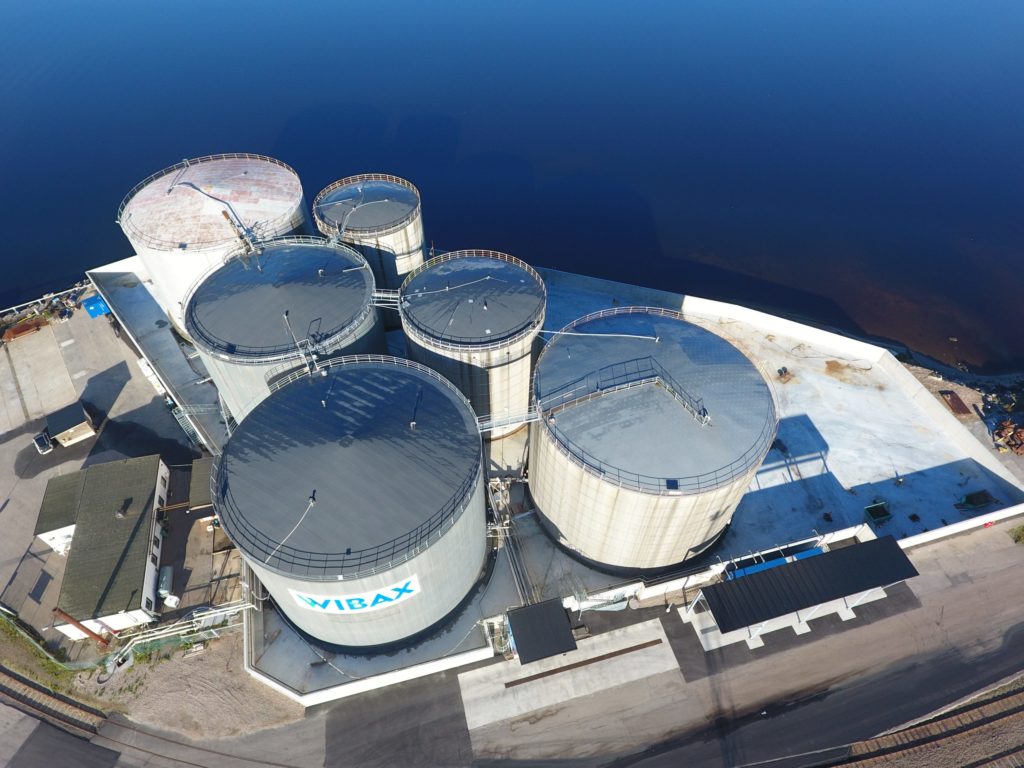
Wibax CEO Jonas Wiklund explains the company’s acquisition of Baltic Tank and looks to the future of the business. Swedish chemical supplier and trader Wibax grabbed headlines recently when it bought Baltic Tank, a chemical terminals operator in neighbouring Finland. Prior to the acquisition of Baltic Tank, Wibax already had nine terminals in Sweden and another in Finland, with a total storage capacity of 450,000 m3, and offices in Sweden, Norway and Finland. Its main storage products include tall oil, pitch, mixed fatty acids, and chemicals, of which the two major products are caustic soda and sulphuric acid. In recent […]
Security and safety regulations – what terminal operators need to know
Peter Lidiak, vice president of regulatory affairs, International Liquid Terminals Association (ILTA), looks at the latest US standards. Peter Lidiak, Peter Lidiak, ILTA vice president of regulatory affairs Security and safety are two core values of bulk liquid terminal operators. As part of the critical infrastructure community, bulk liquid terminals must pay close attention to the safety of not only their workers and contractors but also the communities in which they operate. And because bulk liquid terminals serve as a hub for all modes of surface transportation, including pipelines, rail, ships, barges and trucks, they must be secure to safeguard […]
How COVID-19 & the plummeting oil price has impacted the global storage market

In the second of the new professional webinar series, held on 18th June 2020, Tank Storage Magazine spoke to three experts to find out how the global oil storage market has been affected by the current COVID-19 pandemic and what might happen next. The webinar, entitled ‘How COVID-19 & the plummeting oil price has impacted the global storage market’, was moderated by Patrick Kulsen, Managing Director of economics forecasting organisation Global Insight. THE OIL INDUSTRY POST COVID-19 Charles Daly, Chairman of Channoil Consulting, gave the first talk of the webinar, on what the oil industry might look like once the […]