

Bill Atkinson from Adler and Allan discusses key environmental considerations for fires, and how to rebuild a compliant business once the smoke has cleared
MAJOR accidents such as the 2005 Buncefield oil storage depot fire prove that industrial blazes can swiftly escalate into catastrophic pollution events. As witnessed during the disaster in Hemel Hempstead in the UK – which released a cocktail of chemicals including perfluorooctane sulphonate (PFOS), benzene and xylene into a nearby aquifer – the likelihood of a hazardous pollution event spirals during a fire event. This ramps up the risk of toxic materials and firewater run-off contaminating groundwater, posing profound threats to public and ecological health.
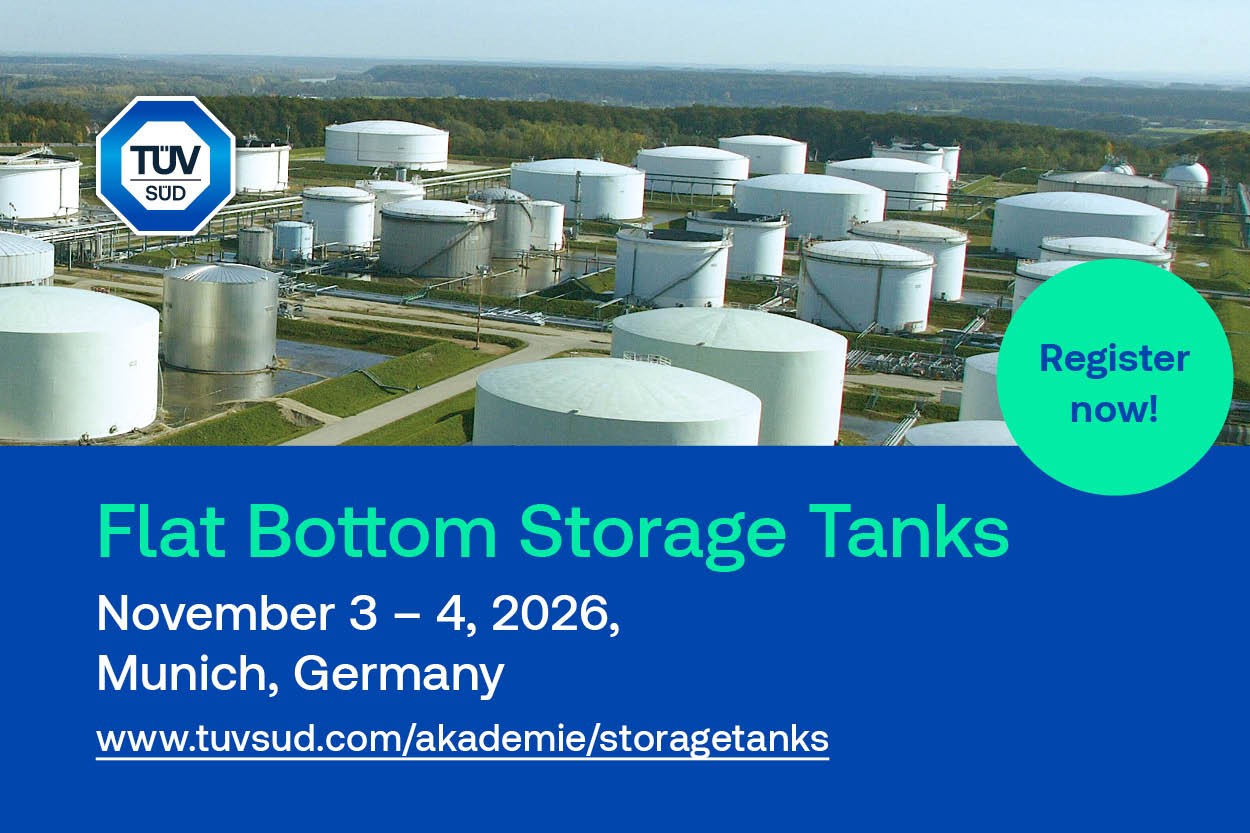
Storage tanks can contain anything from chemicals to hydrocarbons, milk to beer. Any one of these substances could be harmful if allowed to escape into the environment. An industrial fire makes the situation more unpredictable meaning the risk from spills is greater.
WHAT THE LAW SAYS
Because the UK’s Environmental Protection Act 1990 places containment, clean-up and compensation expenses in the hands of polluters, improper follow up after an emergency can set...
SPILL CONTROL IN AN INDUSTRIAL FIRE INCIDENT