





Digitalisation across fragmented port environments such as Houston, Texas, US, is no longer constrained by technology. The platforms exist, the data is available and the operational value case is increasingly clear. The greater challenge lies in execution; bringing independent organisations together around shared, digitised pre-arrival workflows and persuading them to move away from long-established ways of working.
Houston provides a clear example of the complexity involved. It is a dense, highly active port environment where terminals, vessels, agents, surveyors, traders and service providers each perform essential functions, but often optimise their own part of the process in isolation. Individual companies may improve internal efficiency, yet the wider port call can still be slowed by fragmented communications, duplicated data entry, email chains, spreadsheets, phone calls and late-stage updates.
Without a single authority directing operational change across every stakeholder, coordination becomes the defining issue. The bottleneck is not technical capability, but adoption across multiple independent organisations with different systems, commercial priorities and accountability structures.
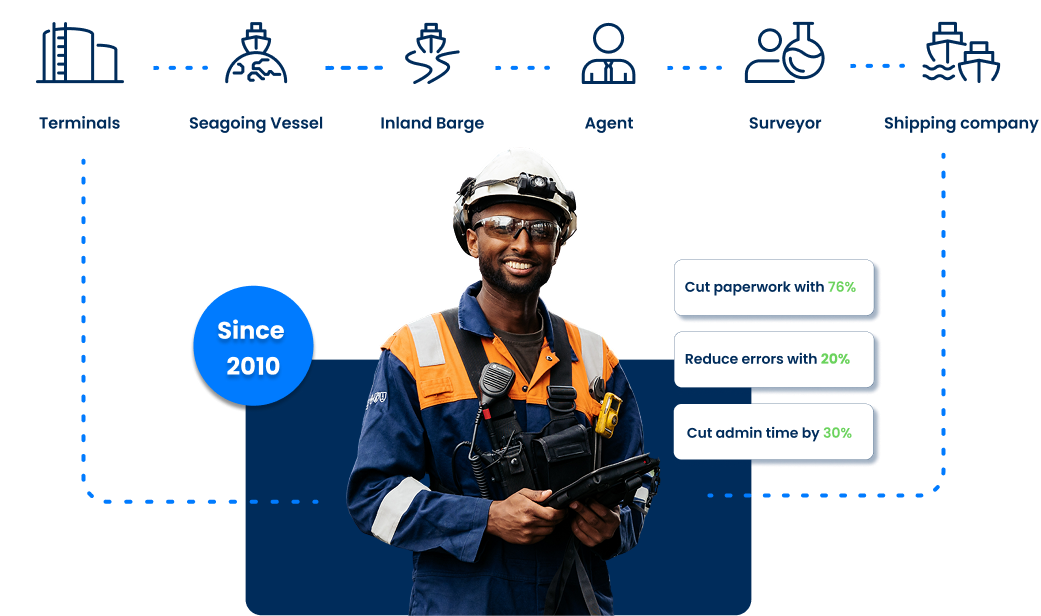
This is the gap UAB-Online is addressing. By streamlining the ship-to-shore and pre-arrival process, the company is digitising critical workflows and enabling stakeholders to work from one shared operational picture. Its platform supports digital pre-arrival and terminal operations, and UAB-Online says it has processed more than one million vessel visits since moving to the cloud in 2015.
According to Hans Bobeldijk, CEO of UAB-Online, meaningful operational gains are achieved when relevant parties exchange key information before the vessel comes alongside. ‘Standardised milestones, shared visibility, early exception management and clear accountability can reduce duplication, shorten meetings, limit last-minute surprises, improve vessel turnaround and cut emissions,’ he says.
Ports like Houston can show how terminal efficiency is moving from ambition to measurable operational improvement. Along the Houston Ship Channel, the deployment of UAB-Online’s platform is delivering gains that go beyond incremental process change.
Pre-arrival meeting times have been reduced by 25 minutes, equivalent to 25%, while email and phone traffic has been cut by half. Last-minute operational disruptions have fallen by 70% and overall vessel time has been shortened by one hour. For terminal operators under pressure to improve berth utilisation, reduce delays and increase predictability, these are material gains.
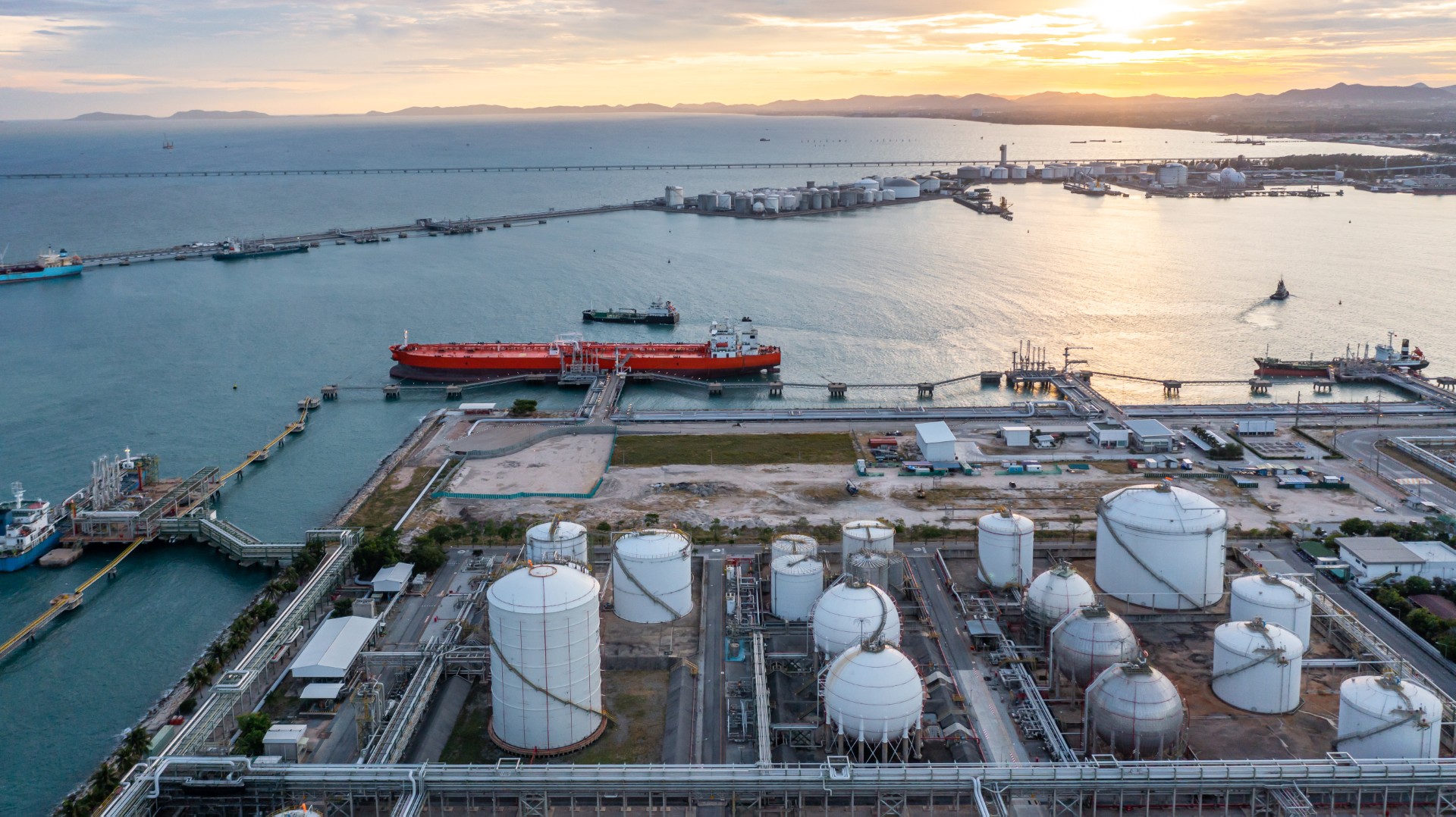
By bringing together agents and surveyors on a single platform, across more than 100 terminals, UAB-Online gives all parties access to the same operational picture before a vessel arrives. This helps identify and resolve issues earlier, replacing lengthy email chains with a shared, structured workflow.
For liquid bulk terminals, where ship and shore operations must remain closely aligned, the platform reflects a broader industry shift towards digital tools that improve information sharing and planning.
Those themes are likely to feature prominently at the 2026 International Liquid Terminals Association Conference & Trade Show (ITLA), where UAB-Online will exhibit at Booth 1006. The event will take place in Houston from 15-17 June, bringing together more than 4,500 terminal operators, suppliers and industry stakeholders. Hosted at the Marriott Marquis Houston and George R Brown Convention Center, the event will focus on operational performance, safety and environmental compliance across the liquid terminals sector. We hope to see many visitors at booth 1006.
Tank Storage Magazine will also be exhibiting at the show, on booth 913.