
Woodfield Systems’ technical director shares the low-down on how the business creates bespoke loading arm solutions
Tell us about Woodfield Systems
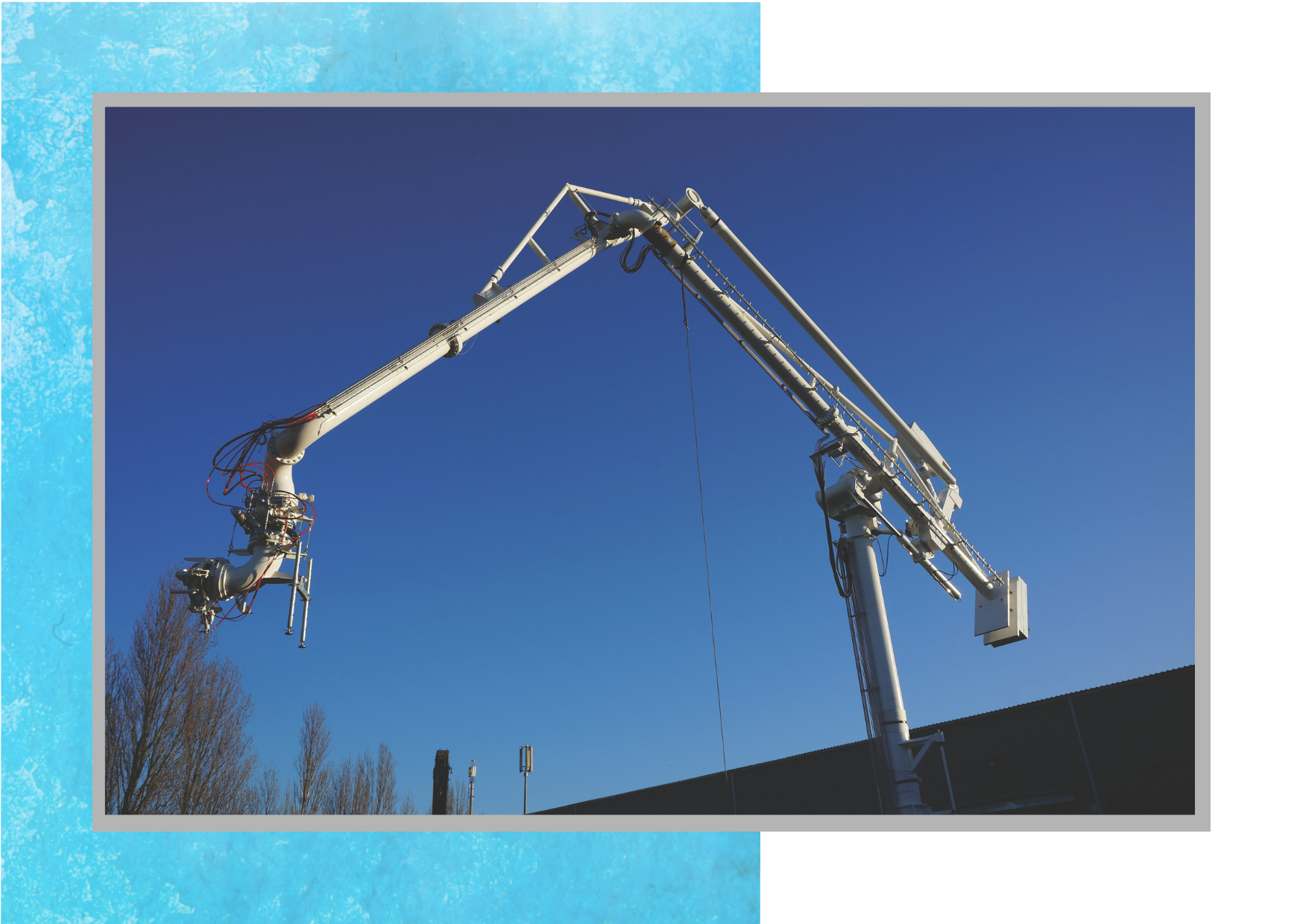
Woodfield Systems designs, manufactures, and integrates customised bulk fluid and gas handling solutions. In practice, that means supplying equipment such as marine, rail, and road loading arms; safety access systems; floating suction systems; and skid-based packages. We also offer all ancillaries that go with fluid and gas transfer like specialist hoses, couplers, valves and strainers. This means that Woodfield is a multi disciplined partner which is able to help our customers move products safely and efficiently across sectors including oil and gas, petrochemical, chemical, cryogenic, and aviation.
What’s your role at Woodfield?
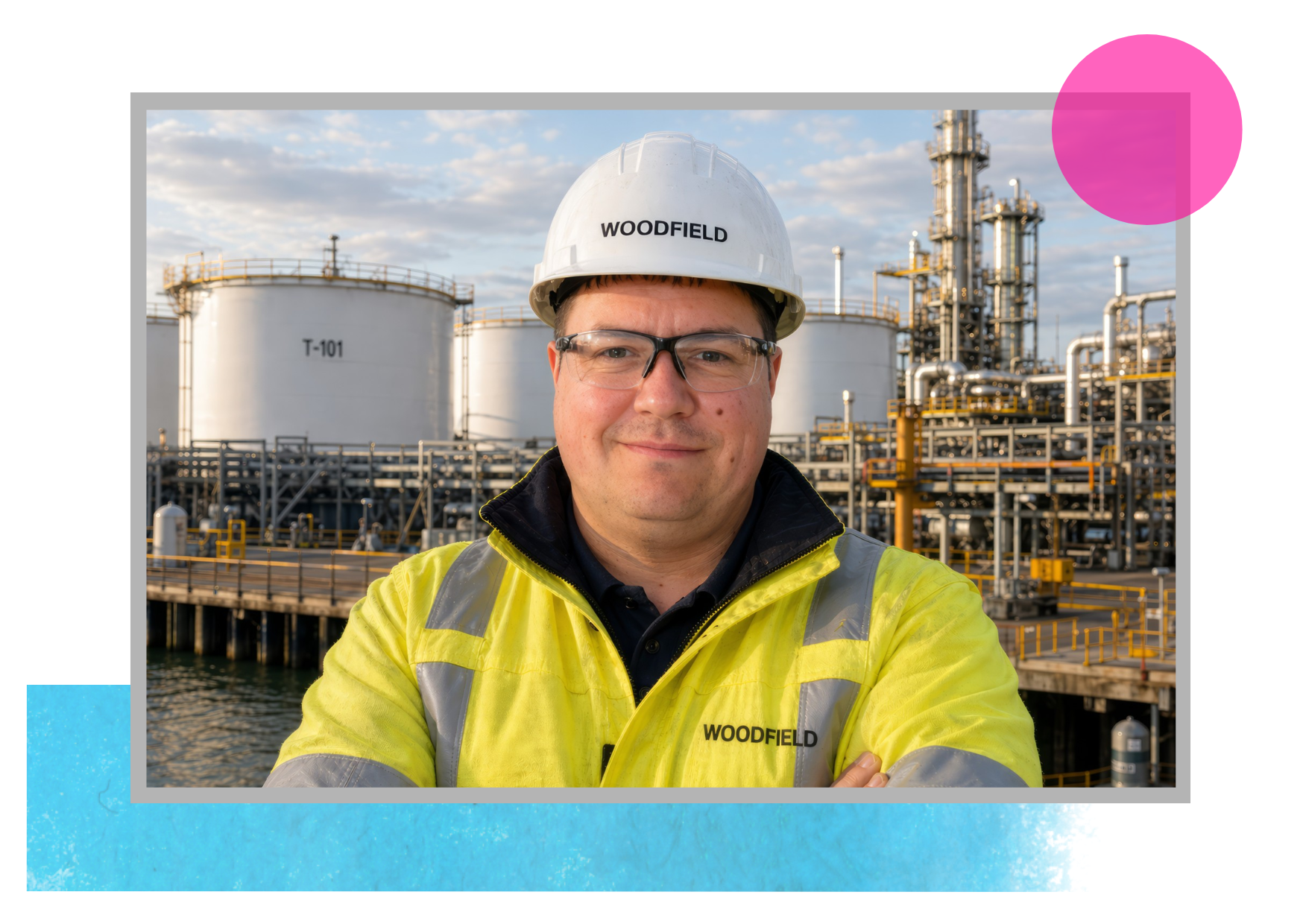
As the technical director of Woodfield, my role is to help customers and our engineering teams turn operational requirements into reliable, workable solutions. That involves balancing technical performance, safety, maintainability, and project delivery, while making sure the final system genuinely fits the application and customers specifications as opposed to being a standard product.
What do you enjoy most about your role?
I really enjoy solving practical problems for customers. Every site and every product transfer duty is a little different, so the most rewarding part is taking a complex requirement and turning it into a solution that is safe, robust, and straightforward for the operator to use and maintain.
Have you got a particular project you’re most proud of?
I am honestly proud of each and every project that we complete because each one is bespoke and always developed around our customers’ needs and wishes. It is always satisfying because we can deliver a solution that is not just technically correct on paper, but genuinely workable for the customer’s operators and maintenance team. At the 01 end of a project we always make sure that we have happy customers that are happy to return; we work on a business partners-for-life mentality.
What sets Woodfield’s loading arms apart?
Marine loading arms sit at a critical transfer point between terminal infrastructure and the vessel. They need to handle product safely, accommodate movement, protect people and assets, and support efficient loading and unloading. In an industry where downtime, spills, and safety incidents carry major consequences, reliable marine loading arms are essential pieces of transfer equipment. What sets Woodfield apart is the enormous range of specialist products all available in one place. We offer a unique combination of customised engineering, safety focus, and lifecycle thinking. The company does not treat any of its portfolio of products as one-size-fits-all equipment; it designs around the application and the customer requirements, often getting involved at the very early stages of a project, helping customers find a solution that works best for them. Our customers really value the fact that Woodfield is always happy to assist at any stage of a project.
How did you get into the bulk liquid industry?
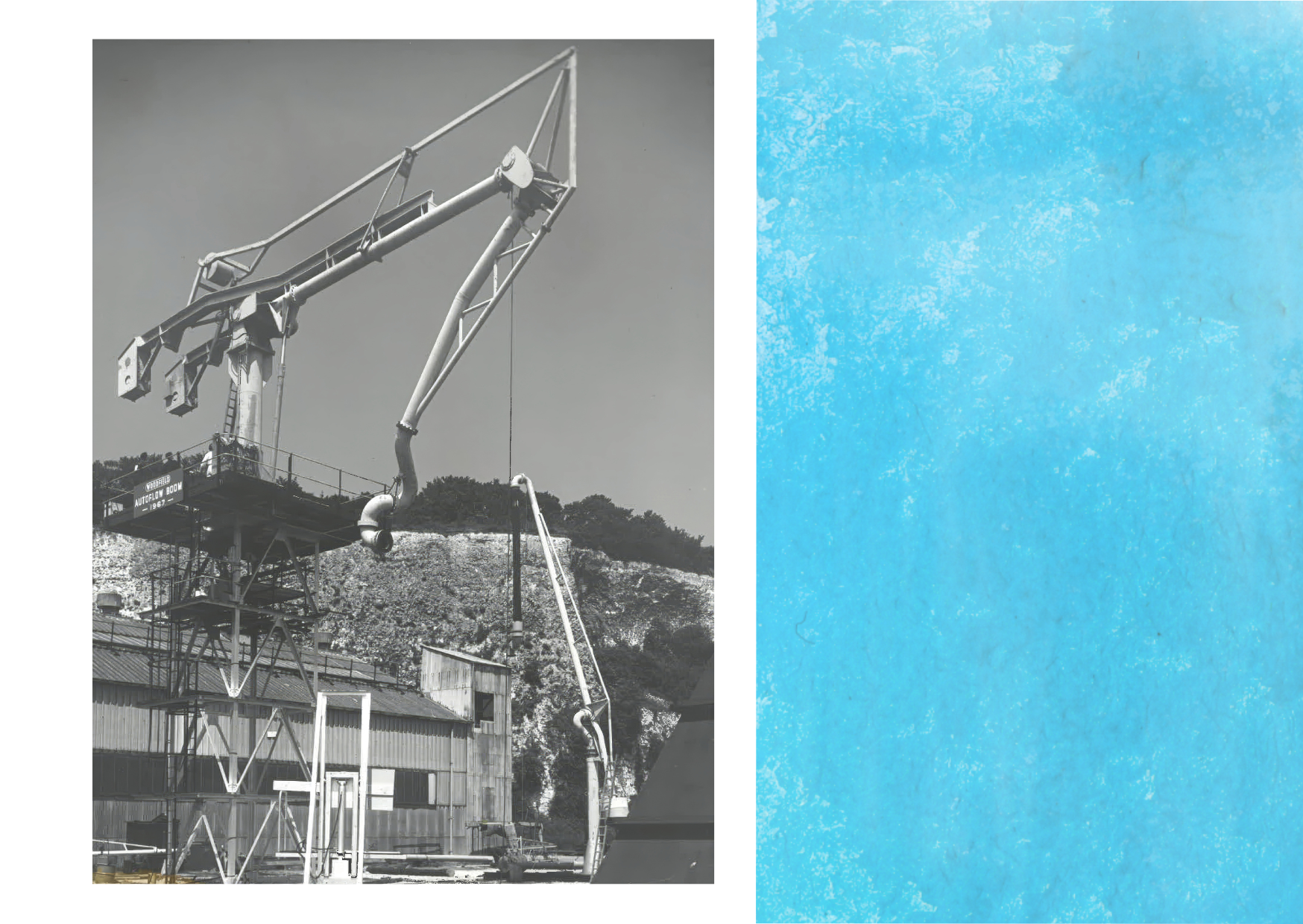
What first drew me to the industry was the combination of technical complexity and real operational importance. It is an industry where safety, reliability, and efficiency all matter at the same time, and where well-designed equipment can make a very visible difference in day-to day operations. Good, high-quality, reliable, easily maintained and safe equipment makes everybody’s job a little easier at site and I love to hear about how Woodfield equipment has been installed for decades and is still running perfectly. Some of the Woodfield equipment from the 1950s is still going strong and in daily use today!
Impressive! How has the technology evolved since you got started?
I feel that the industry is very slow to evolve and it is not always visible over shorter periods. However, when you take a company like Woodfield – which has been around since 1922 and has such an impressive legacy – it is fascinating to look back through the archives of old drawings, bills of materials, design calculations and operation manuals for the equipment. You can see, not only the evolution of Woodfield, but the evolution of fluid and gas transfer as a whole.
Right from Woodfield’s very early products, which were designed by engineers using hand drawing boards, making hand stress calculations and wearing white coats like scientists, the fundamentals have not changed. This is because the core job of anything in the fluid and gas transfer industry is still focusing on safe, reliable product transfer in demanding conditions. What has evolved is the level of engineering sophistication around that core: better design and simulation software, better materials, improved sealing and swivel performance, more attention to maintainability, stronger control options, and wider use of safety features such as emergency release systems, remote operation, position monitoring, and application-specific configurations feeding data into remote safety systems and data capture systems.
What are you most excited about for the future of the liquid bulk storage industry?
I am excited by the industry’s continued focus on safer, smarter, and more efficient transfer operations. Over the next few years, I think we will see further progress in equipment monitoring, control systems and solutions designed with maintenance and operational resilience in mind. At the same time, the industry will continue to value proven mechanical reliability, so the future will be about combining smart technology with robust engineering rather than replacing one with the other.
What’s been the most challenging moment in your career?
The biggest challenges come from working through projects where the technical demands, delivery expectations, and operational realities all have to be aligned under pressure. Sometimes, through the life of a project, things change and Woodfield really prides itself on being adaptable and doing anything physically possible to maintain timescales and budgets whilst still providing the end solution that the customer needs. What I have learned from these experiences is the value of clear communication, staying close to the customer’s real priorities, and making sure the solution remains practical and suitable for its intended use.
If you weren’t working in this industry, what would you be doing?
I would probably still be in an engineering led industry, because I enjoy solving practical problems and working with customers on real operational challenges.