


Discover how StocExpo 2026 is defining the next era of tank storage
The global energy system is changing faster than at any point in recent decades, and Europe’s tank storage sector is feeling that pressure firsthand. Traditional fossil fuel logistics are being reshaped by demand for cleaner molecules, a growing mix of alternative fuels, tightening environmental rules and increasing scrutiny from policymakers and investors. At the same time, geopolitical tensions and shifting supply routes are forcing operators to rethink how they store products, plan investments and work with partners across the chain.
What has become clear is that no terminal, port or energy business can face these shifts in isolation. Sharing knowledge, coordinating across borders and aligning on best practices have moved from being helpful extras to becoming essential for long-term resilience.
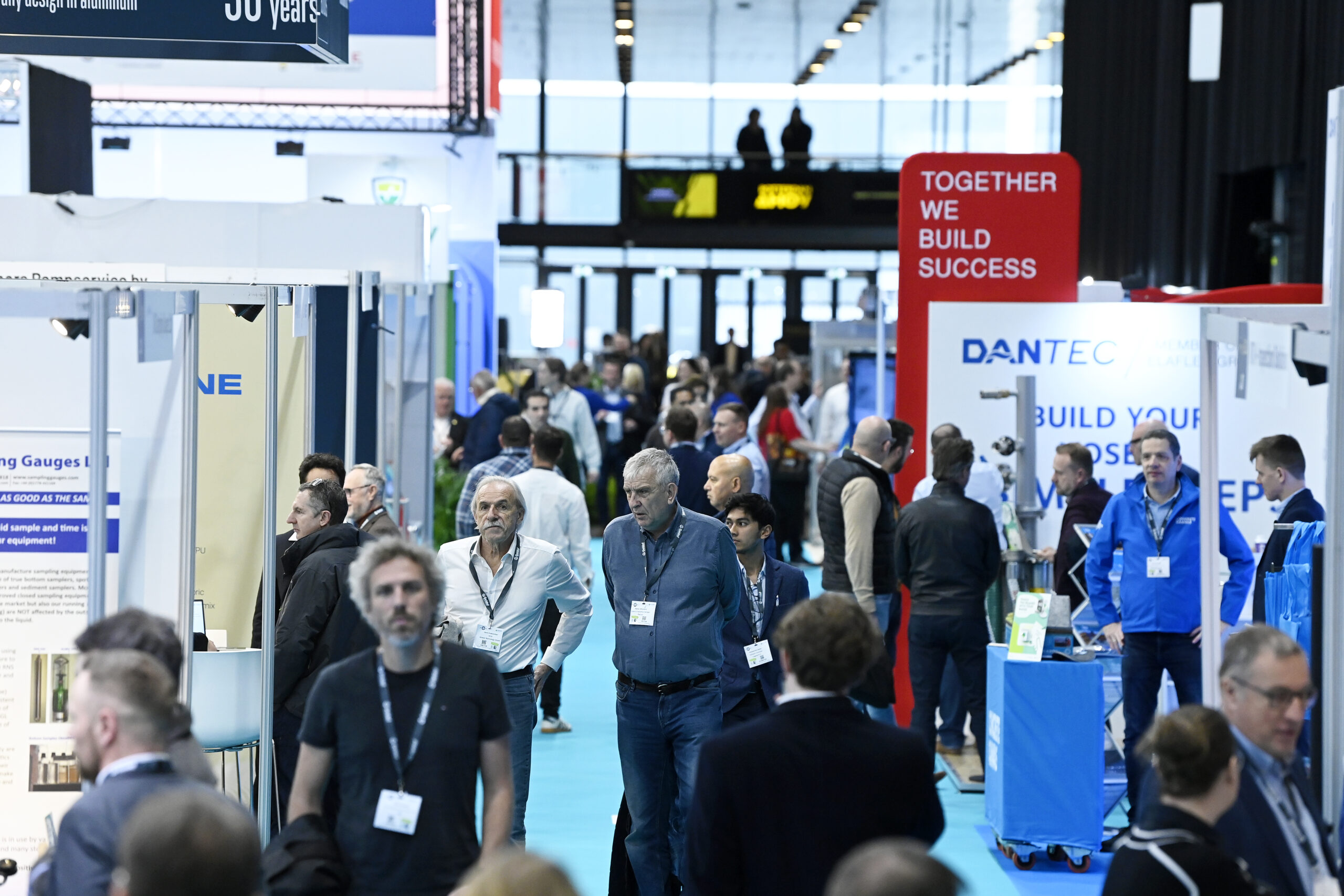
That is why StocExpo, returning to Rotterdam Ahoy on 10 and 11 March 2026 under the theme ‘Fuelling Global Collaboration’ feels especially timely. The theme isn’t decoration, it reflects the reality that today’s challenges cut across operational, digital, environmental and regulatory boundaries. In a sector where uncertainty is high and expectations are rising, collaboration is fast becoming one of the most practical tools available.
StocExpo has often provided a snapshot of where the industry stands. The 2026 edition aims to do something more: help guide where the sector goes next. With deeper involvement from partners across Europe, North America, the Mediterranean and Asia, the event mirrors the increased need for cross-border collaboration.
Policymakers, EPC contractors, inspection specialists, future fuel developers, maintenance leaders and terminal executives will gather in one place, creating room for discussions that can influence strategy far beyond the event itself.
Portfolio director Adam Gough highlights why this collective approach matters now more than ever: ‘The 2026 edition will focus on the collaboration, innovation and technical excellence that will define the next chapter for tank storage and future fuels. The conversations that happen in Rotterdam will help shape the future of the industry.’ His words reflect how StocExpo has grown into an unmissable meeting point for the sector.
The Strategic Lens Of The FETSA Conference
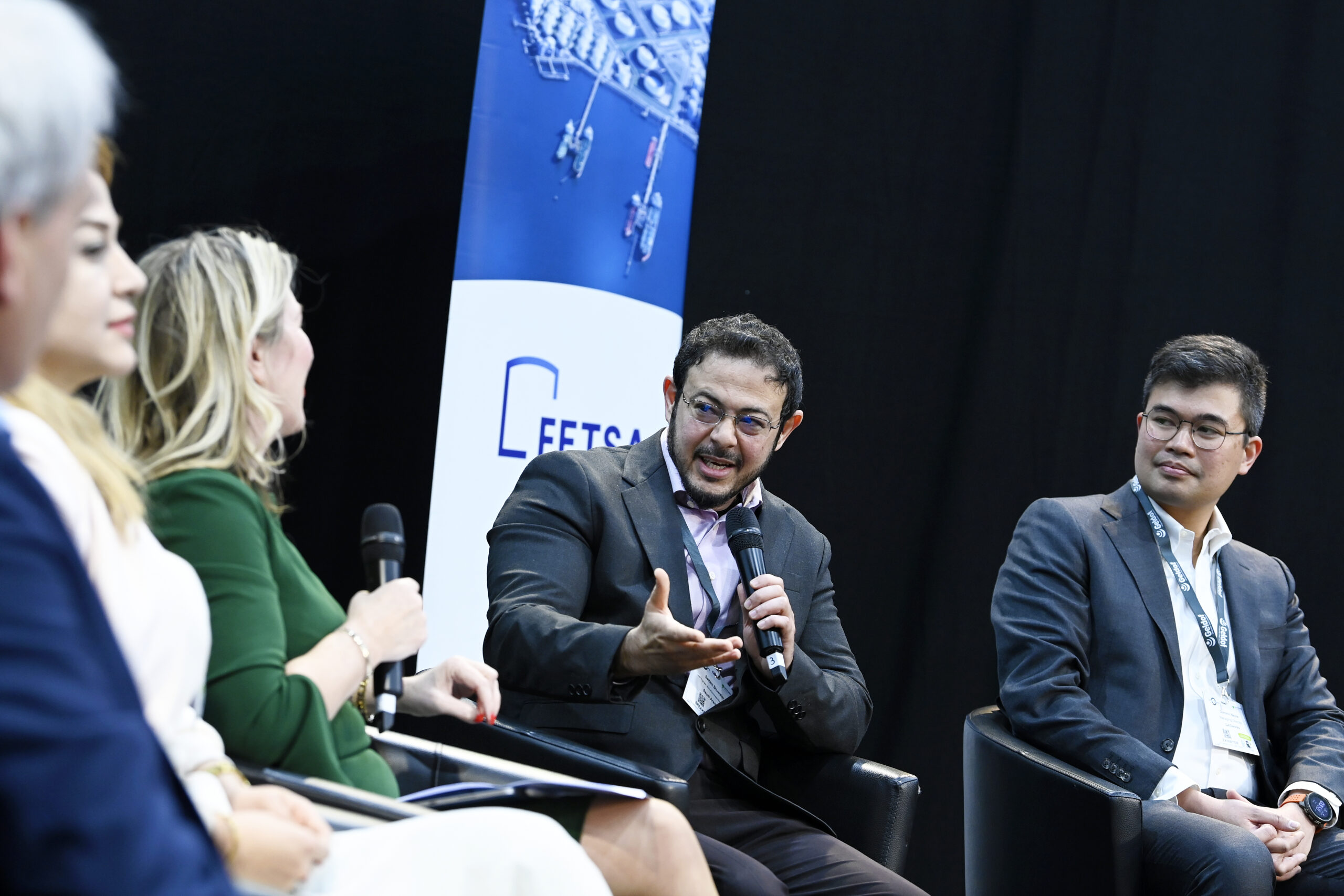
The commitment to collaboration is most visible on the FETSA Conference Stage, which remains the strategic centre of the event. Each year, the Federation of European Tank Storage Associations (FETSA) brings together leading voices shaping policy, economic decisions, operational standards and long-term investment thinking. The 2026 programme goes a step further, addressing not only geopolitical and economic pressures but also the technical and regulatory changes operators must adapt to.
One of the most anticipated policy conversations at StocExpo 2026 will be the debate between regulatory specialist Marina Hritsyshna of Energy Regulation Solutions and Capstone Research’s Nikhita Swarnkar. Their session will explore how regulators and policymakers are reshaping the behaviour of terminal operators through both incentives and penalties, offering attendees a clearer understanding of how financial pressures, compliance frameworks and policy instruments are now intertwined. Both speakers bring contrasting but complementary viewpoints on the future of regulation, with Hritsyshna offering insight into European policy mechanisms and Swarnkar addressing how capital markets interpret regulatory signals.
The CEO panel for 2026 brings together some of the most influential leaders inthe terminal sector to discuss the energy transition in Europe. Among them is Odfiell’s Adrian Lenning, whose long experience in global chemical storage provides a grounded and strategic perspective on how operators must adapt to new fuel markets while maintaining operational reliability. He is joined by Tepsa CEO, and FETSA president, Bruno Hayem, whose operational footprint across the Iberian Peninsula and beyond gives him a uniquely international viewpoint. Their conversation is expected to explore leadership under uncertainty, long- term capital planning and the growing expectation that CEOs must steer not only their companies but the industry as a whole through the energy transition.
Fuelling The Future
Future fuels strategy is another major thread of the conference, and this year the spotlight falls on speakers such as Maia Khitarishvili, founder of H2Earth Dynamics, who looks at the role white hydrogen has to play in the energy mix. This is followed by a discussion on global future fuels strategies, examining the emerging supply corridors and the geopolitical shifts that will define hydrogen, ammonia and synthetic fuels markets over the next decade. Regional energy developments also feature in this year’s programme, with a particular focus on how the Mediterranean is emerging as a strategic future fuels hub.
As shipping continues its own evolution, S&P Global’s Nefeli Charitou will provide a deep dive into the opportunities created by next-generation bunker fuels. Her session highlights the intersection of shipping decarbonisation, regulatory change and product innovation, with a particular focus on how storage terminals can support low-carbon marine fuels such as methanol, ammonia and bio-blends. For many operators, this represents an underexplored growth avenue, and Charitou’s insights help translate global policy discussions into tangible market prospects.
As terminals shift to new fuels and feedstocks, safety culture remains a foundational pillar of the tank storage industry. Exolum’s global HSSEQ Lead Jesus Manso Manso explains how the company has built a safety culture, without borders, drawing from Exolum’s global footprint. His perspective reinforces the idea that strong safety performance is not built solely on compliance, but on shared values, continuous learning and organisation-wide engagement in every region where a terminal operates.
The future fuels theme also extends into the operational realm, with BP maintenance planner Mariam Kantaria contributing a session on future fuels, infrastructure and the digital world. Her discussion links digitalisation, predictive maintenance and asset readiness, showing how terminals can use technology to prepare for the demands of storing more complex and diverse fuel products. With many operators now assessing how to retrofit existing assets for new energy carriers, Kantaria’s practical insights into maintenance planning, risk assessment and equipment lifecycle management can offer valuable guidance.
Finance remains a critical constraint in the transition to future fuels, which is why the session from Samrat Singh, founder of Venliance, will draw significant interest (read more on page 48). His focus on accessing capital for future fuels projects provides clarity on what investors want, how to structure bankable proposals and how terminals can secure funding for infrastructure expansion.
The importance of digitalisation in terminal evolution is highlighted by the Evos Hamburg team, who will examine how automation, data-driven decision- making and integrated digital platforms are transforming day-to-day operations. From real-time performance dashboards to asset integrity insights, the team will illustrate how digital maturity is quickly becoming a competitive differentiator for terminals seeking efficiency gains and regulatory compliance.
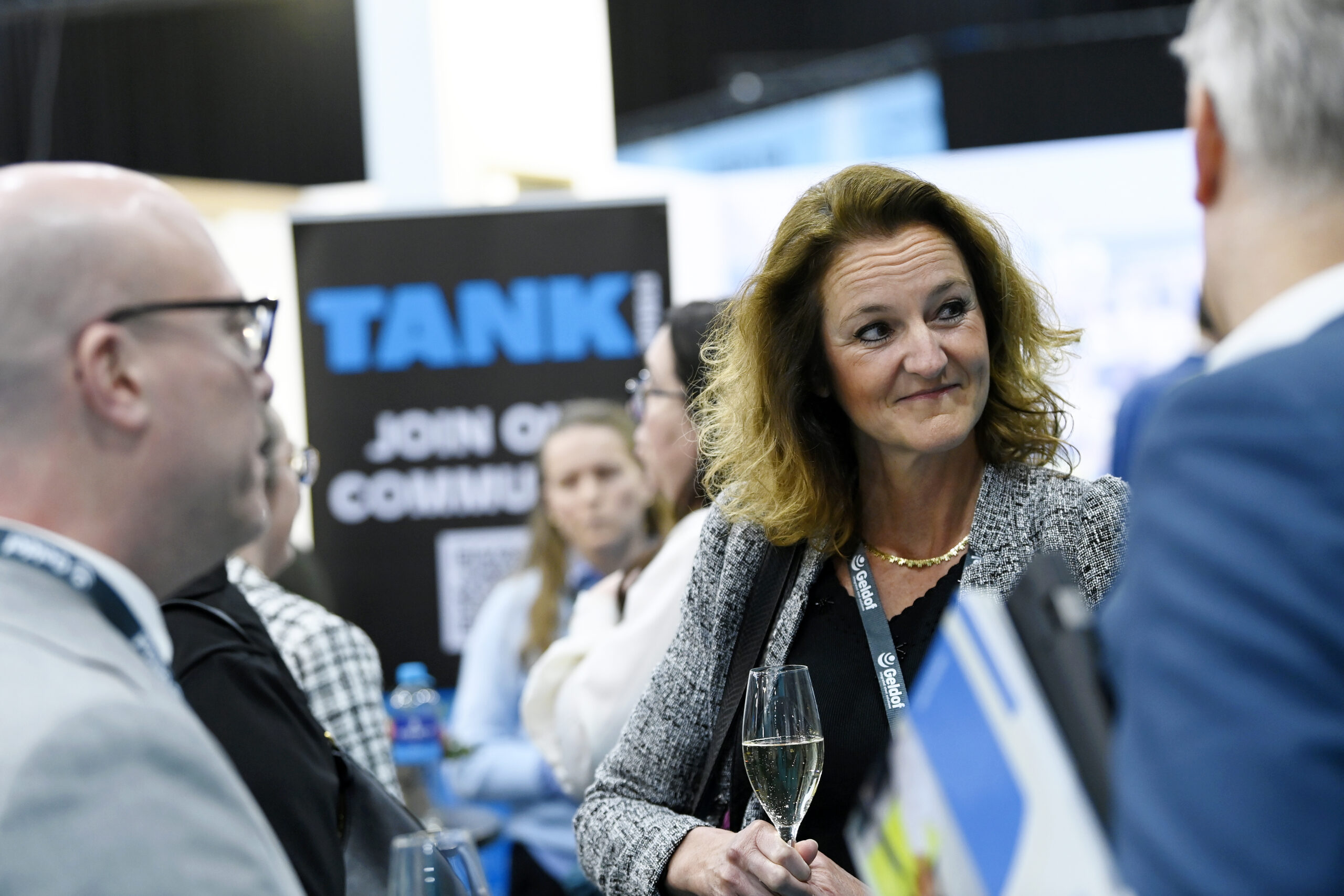
Finally, back for the sixth year, the Women in Tanks panel (run by the team here at Tank Storage Magazine) will highlight the experiences and leadership challenges faced by women across the terminal sector, while also identifying pathways to improve diversity and talent development. This will be followed by a networking drinks reception for all at Tank Storage Magazine’s exhibition stand (J34).
Maintenance, Sustainability & Shared Standards
StocExpo also shines a spotlight on maintenance innovation, an area that has become increasingly important as terminals balance ageing assets with the requirements of alternative fuels. A dedicated programme featuring experts from Vopak, BP, Preem, Neste, VTTI and Stolthaven will show how predictive analytics, robotics, digital twins and condition monitoring are moving from experimental pilots into everyday use. These approaches are helping operators strengthen asset integrity, reduce downtime and manage costs in an environment where expectations are rising.
Sustainability is another thread running throughout the event. Topics such as emissions reduction, waste management, material reuse and energy efficiency now sit alongside traditional operational concerns. These environmental considerations increasingly shape investment conversations and regulatory expectations, making them part of every stage of the terminal lifecycle.
Industry associations, including EEMUA, VOTOB, TSA, iTanks, EPCOL, ILTA and USI, continue to provide essential technical standards, safety guidance and best-practice frameworks that support cross-border alignment. Their involvement highlights how shared knowledge remains vital as the sector evolves.
Charting The Industry’s Collective Future
Looking toward the next decade, the tank storage industry faces several interconnected challenges: integrating multiple fuel types, addressing workforce shortages, advancing digital systems, keeping pace with regulatory shifts and adjusting to new global trade patterns. StocExpo 2026 arrives at the right moment to support this transition.
For two days, Rotterdam will act as the sector’s international meeting place: a space where operators can evaluate these challenges together, explore new technologies, compare operational approaches and build the relationships needed to develop future-ready infrastructure.
The FETSA Conference Stage will provide the strategic perspective the industry depends on, while the exhibition floor brings practical solutions and opportunities to life. Taken together, StocExpo 2026 offers more than an overview of the industry: it provides a forum for genuine problem-solving and a foundation for shared progress.
As the energy transition continues to accelerate, collaboration will be one of the most important factors determining how well the sector adapts. In March 2026, Rotterdam will once again host the conversations that help shape that collective future.