

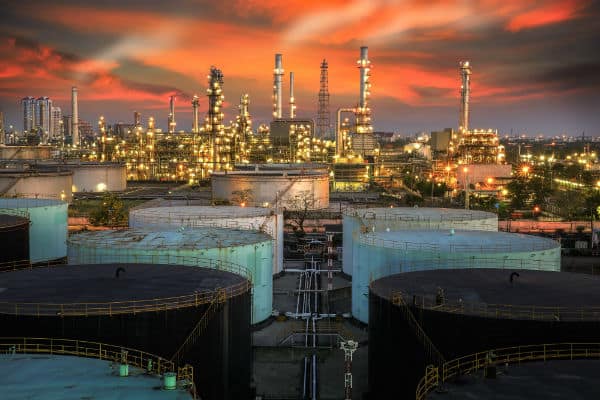
 Sempra Infrastructure has gained regulatory approval for the second phase of its project at Port Arthur; the expansion of the Port Arthur LNG project in the US.
The approval from the US Federal Energy Regulatory Commission (FERC) authorises the Port Arthur LNG Phase 2 expansion project under development at Port Arthur LNG in Jefferson County, Texas.
The Phase 2 project involves the addition of two liquefaction trains (trains 3 and 4) at the Port Arthur LNG project. These trains will have a combined liquefied natural gas (LNG) production capacity of up to 13 million tonnes per annum (mtpa).
It will also involve the development of an additional LNG storage tank and marine berth.
Currently in the construction phase, the Port Arthur LNG Phase 1 project will have two natural gas liquefaction trains, two LNG storage tanks and associated facilities.
The proposed Phase 2 project is expected to increase the facility’s total liquefaction capacity from approximately 13 mtpa to around 26 mtpa.
Sempra Infrastructure CEO, Justin Bird says: ‘Today’s FERC order is a significant step in our ability to advance the global energy transition, creating an opportunity to double the amount of secure and reliable US natural gas that Port Arthur LNG can help deliver to global markets.’
To help serve the Port Arthur LNG facility, the company is planning to develop the proposed Port Arthur Pipeline Texas Connector project, the Post Arthur Pipeline Louisiana Connector project and new gas storage facilities.