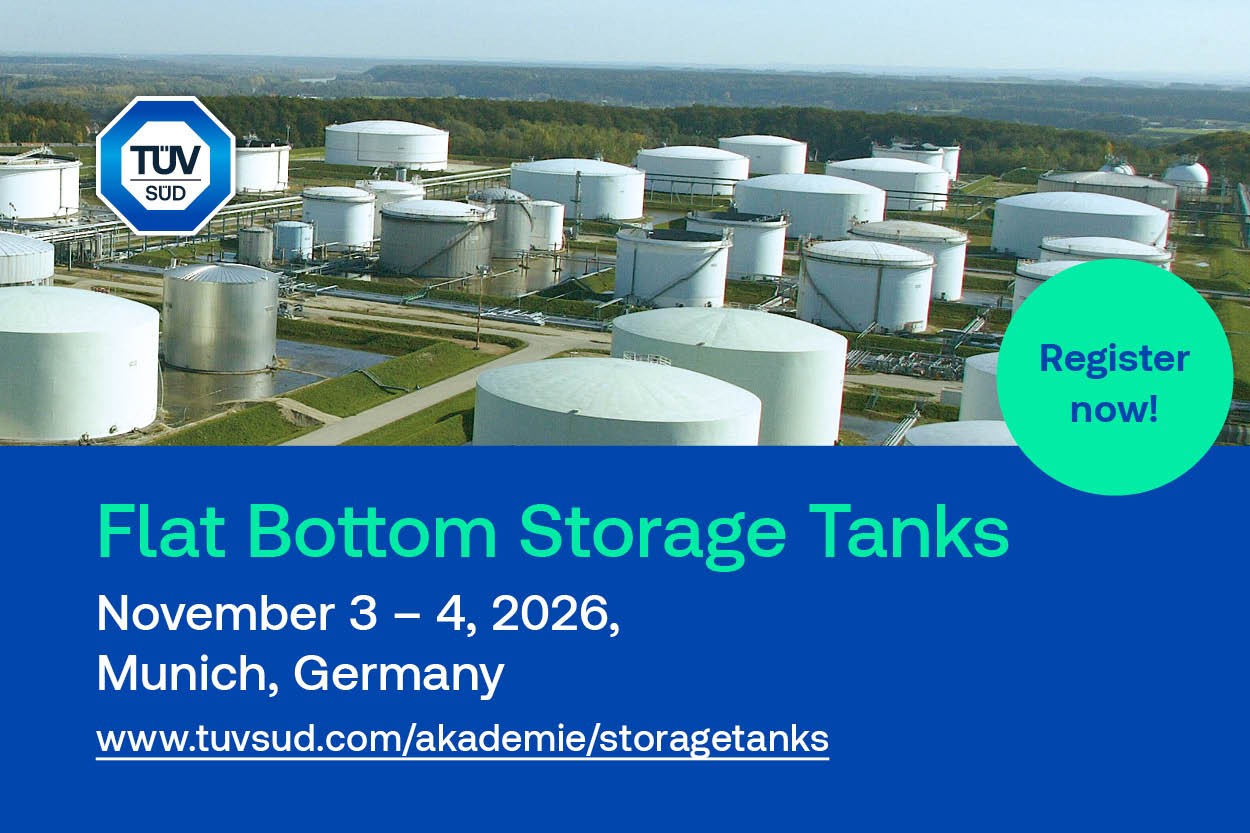


Aereon’s Marco Puglisi looks at the challenges and solutions
The aim of vapour control is to reduce emissions of harmful or toxic substances into the atmosphere. Vapour control is particularly important for volatile organic compound (VOC) emissions resulting from end-of-pipe operations, such as the loading, storage and distribution of volatile organic liquids like gasoline and naphtha.
The presence of VOCs in the atmosphere creates pollution and has a harmful impact for two main reasons. Combined with the UV rays from the sun, they enhance the formation of ozone (O3), which has an adverse effect for human health and vegetation. Also, VOCs are greenhouse gases, contributing to the average temperature increase of the earth.
In the last 20-30 years, almost all environmental authorities worldwide have put in force legislation to set limits on VOC emissions discharged into the atmosphere (10 g/nm3) from industrial operations, such as the US Clean Air Act and EU directive 94/63/EC. With time and the progress of technology, these limits are becoming more stringent, e.g. the German TA Luft II and the Dutch NeR limit VOC emissions at 50 mg/nm3.
USING ACTIVATED CARBON
Vapour control...
VAPOUR CONTROL FOR CRUDE OIL STORAGE